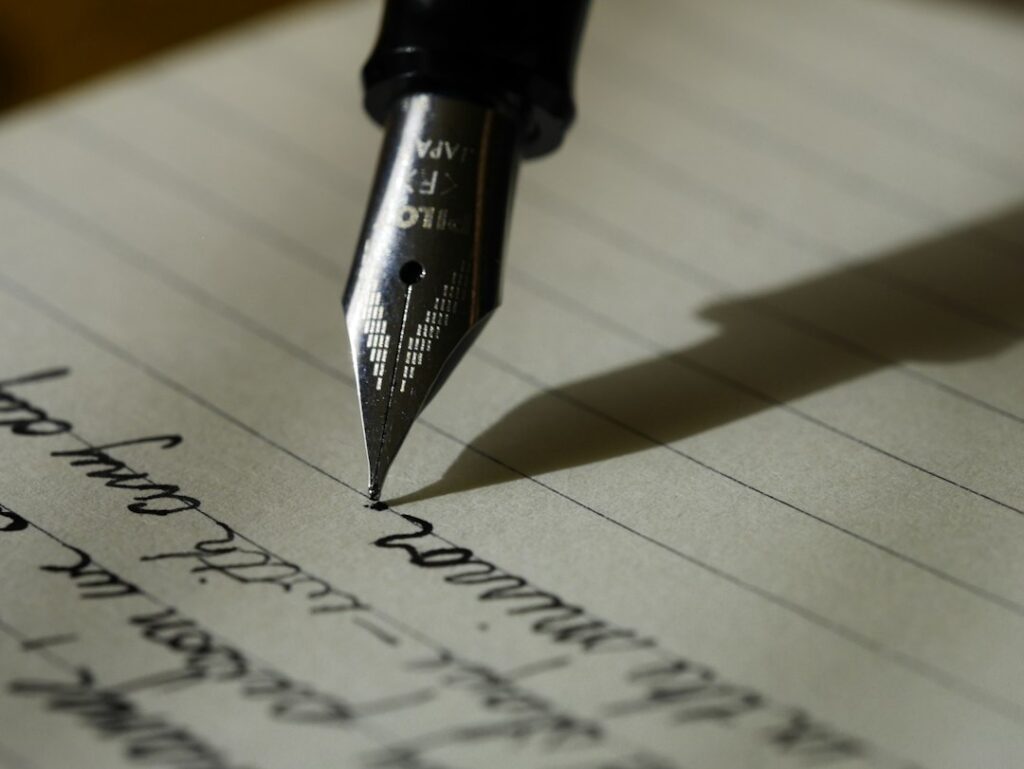
Brush Lettering Practice: Tracing Pad vs Light Pad
Tracing paper is the low-cost starting point for repeating letterforms; a light pad is worthwhile for people who frequently transfer designs onto other paper.
Tracing paper is the low-cost starting point for repeating letterforms; a light pad is worthwhile for people who frequently transfer designs onto other paper.
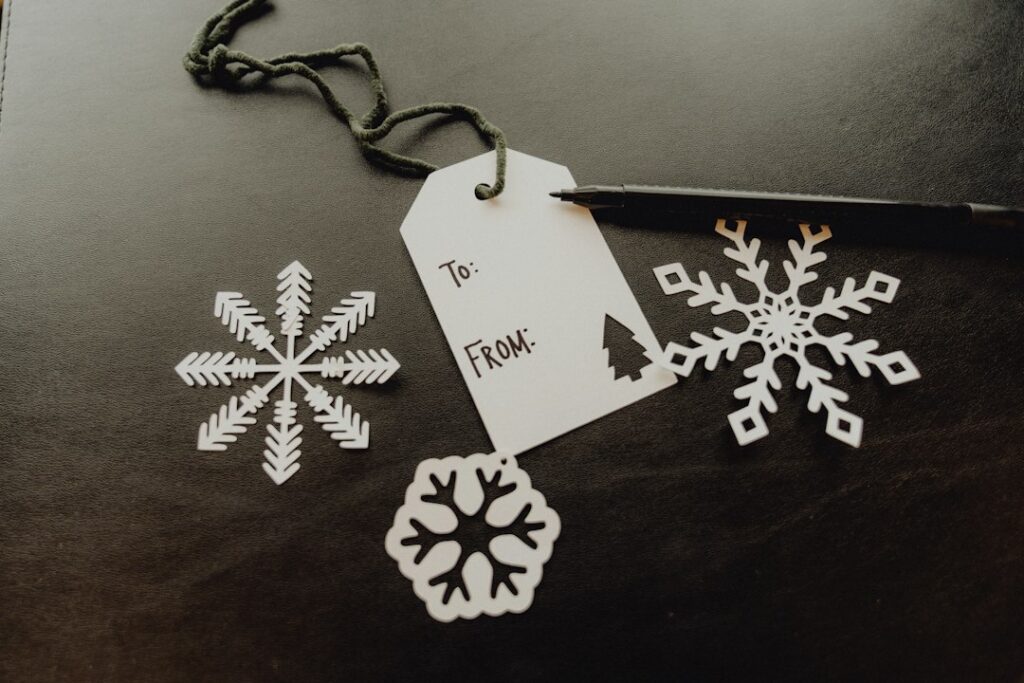
A corner rounder gives repeatable clean corners on cards; decorative scissors offer a wider variety of borders for occasional creative projects.
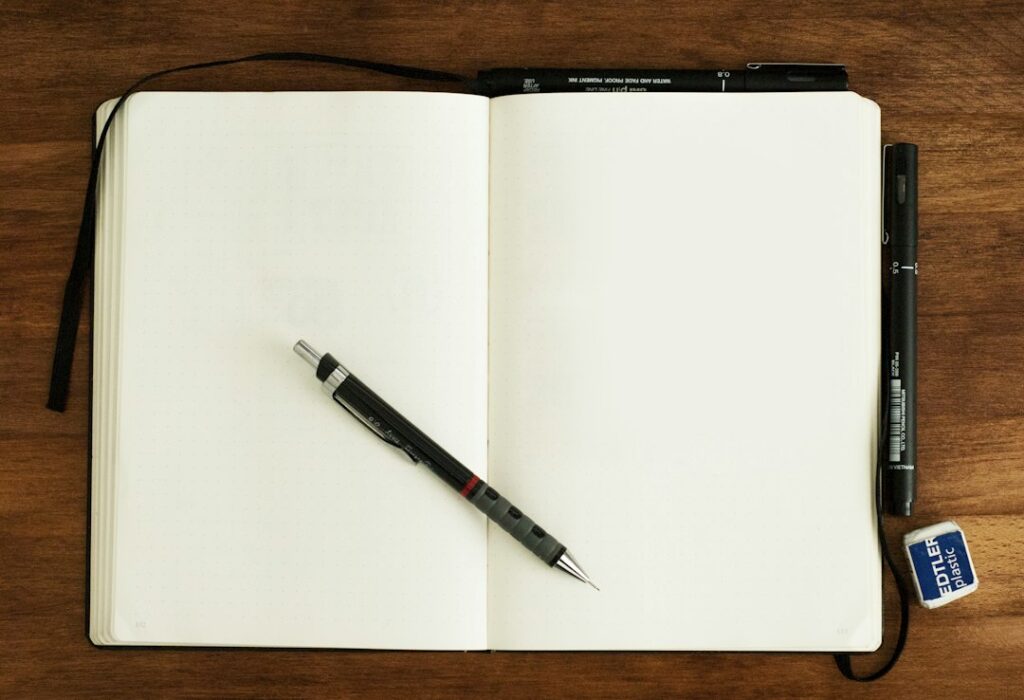
Smooth paper usually makes gel pens feel effortless, but fast-drying, less smudge-prone writing depends on the specific ink and paper pairing.
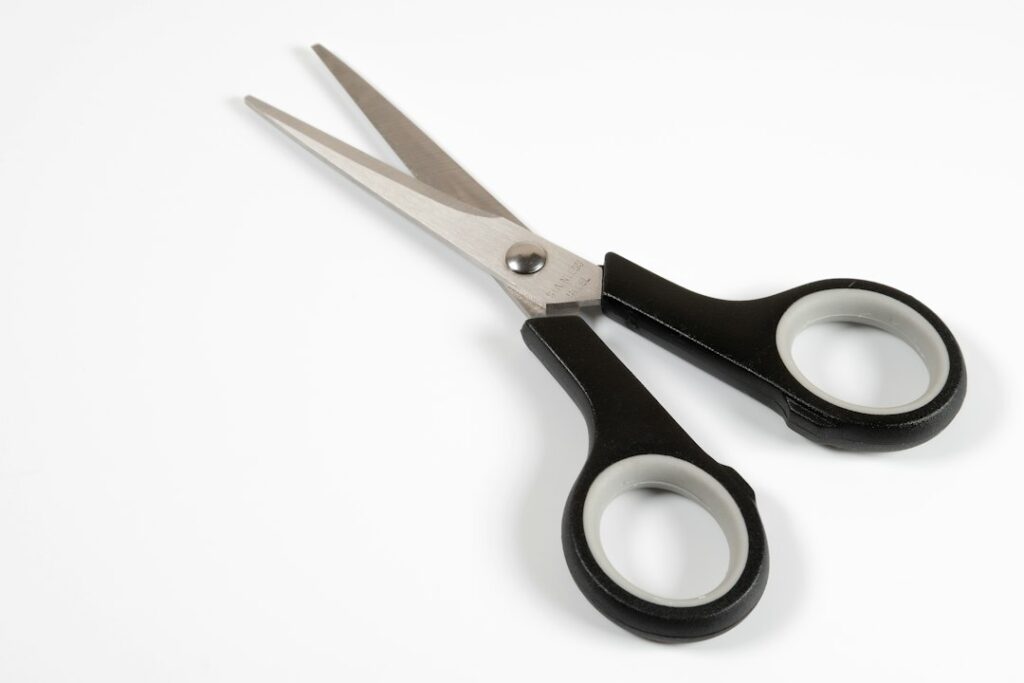
Micro-tip scissors earn their place for intricate paper silhouettes; standard scissors remain the more comfortable all-rounder for longer straight cuts.
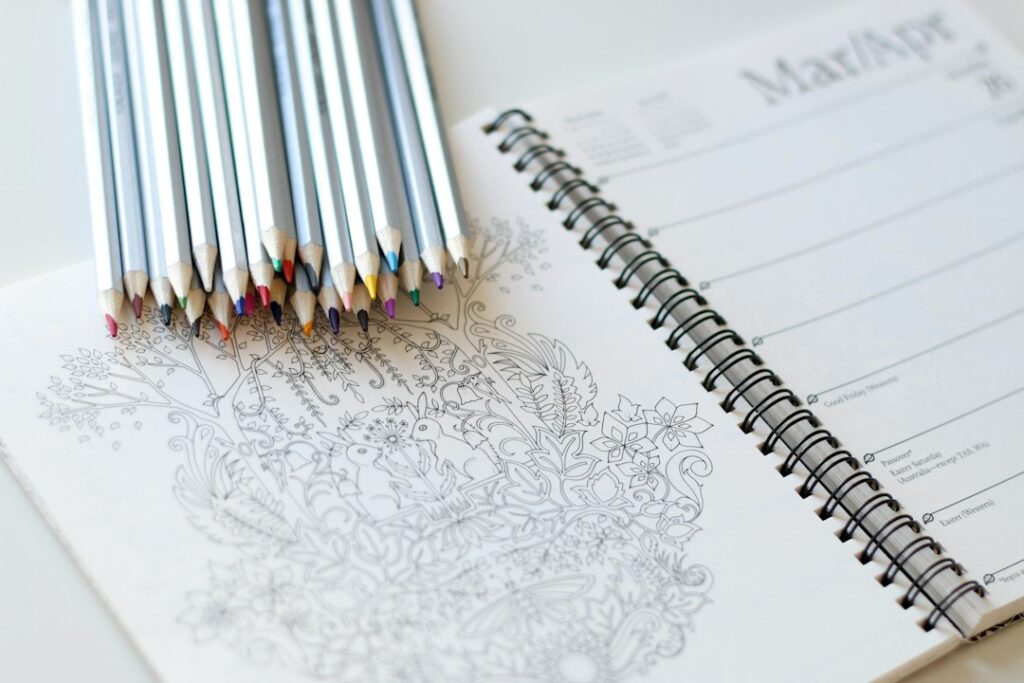
Pencil rolls provide fast visual access while seated; a hard case better protects leads and fragile supplies in a crowded backpack.
An empty tin is ideal when you want to select individual pans; a lightweight plastic mixing box makes sense if easy cleaning and low cost matter more.
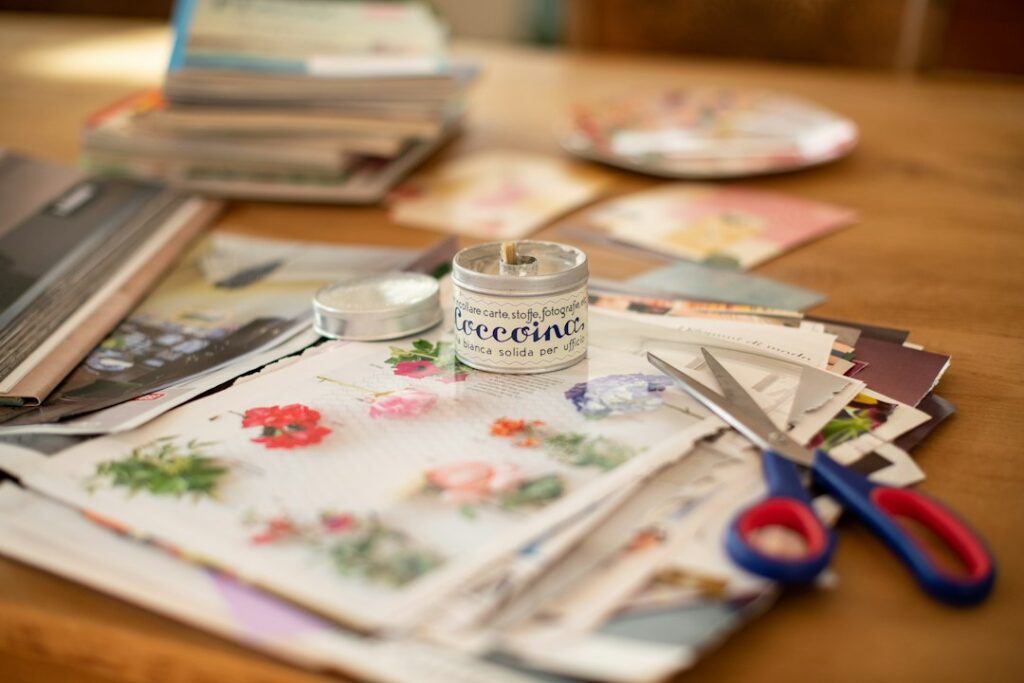
A removable tape runner suits temporary positioning when the label explicitly promises repositioning; a glue stick is an inexpensive choice for ordinary permanent paper mounting.
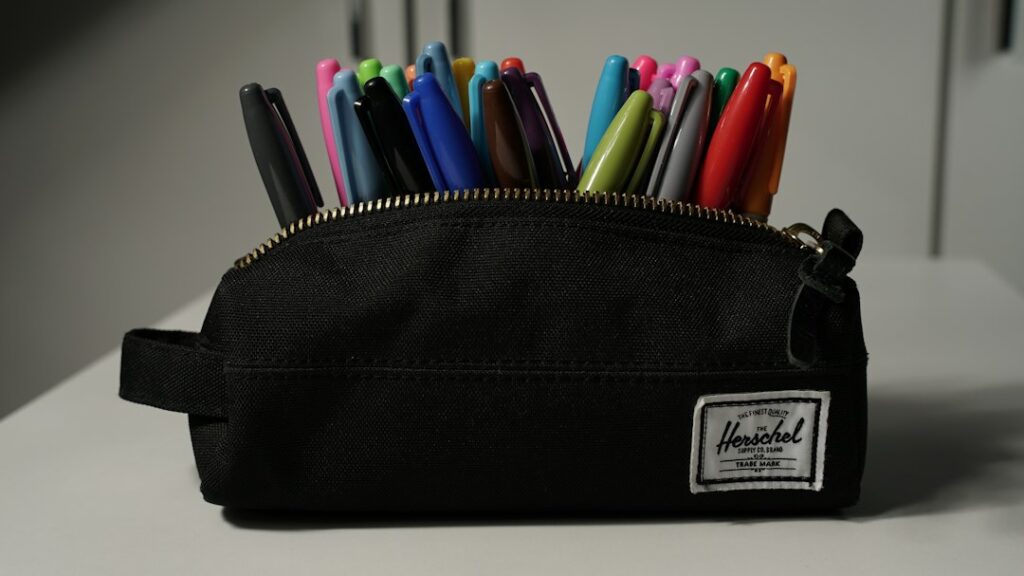
For everyday desk-to-bag travel, a compact zippered pouch is often enough; choose a structured case if pen tips and clips regularly get crushed.
A glued watercolour block is a convenient portable painting surface; loose sheets usually offer more flexibility for testing, trimming and mounting.
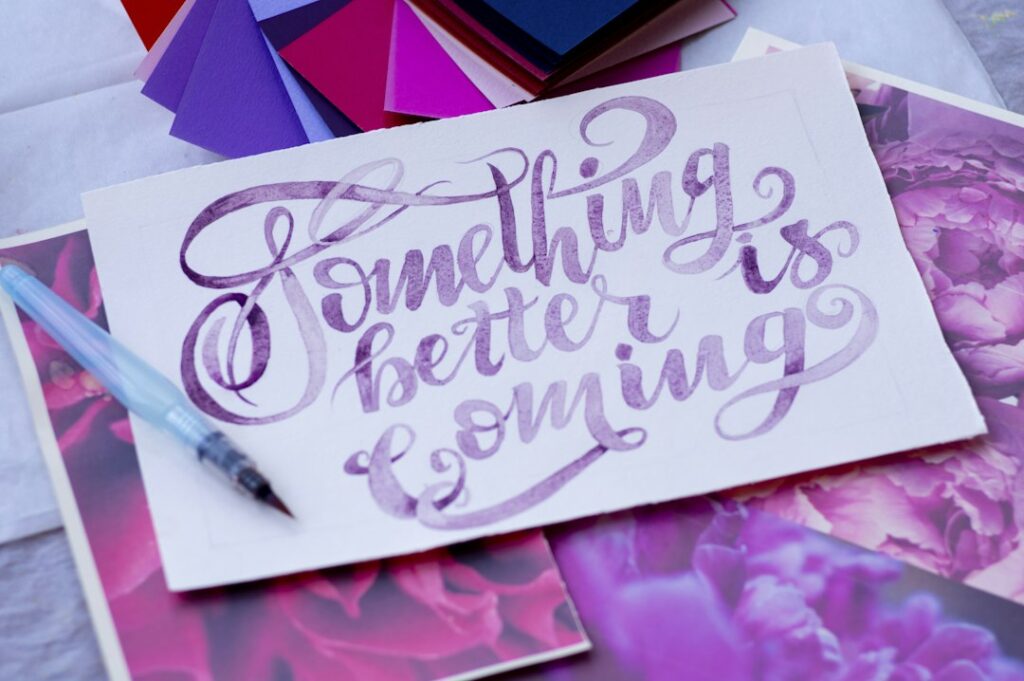
A fine flexible tip gives beginners more control on small lettering; broad tips work better when the finished words need to be large and dramatic.