Archival Ink Pads vs Everyday Dye Pads for Paper Crafts
A specialist archival or waterproof pad matters for certain lasting or water-coloured projects; ordinary dye pads are practical for everyday stamped decorations.
A specialist archival or waterproof pad matters for certain lasting or water-coloured projects; ordinary dye pads are practical for everyday stamped decorations.
A kneaded eraser lifts broad soft highlights; a narrow eraser pencil is better for crisp edges and tiny corrections.
Guideline sheets speed up learning consistent letter height; blank smooth pages become more useful once your letterforms are stable.
Glue dots are handy for small raised embellishments; flat double-sided tape is usually neater for long straight paper bonds.
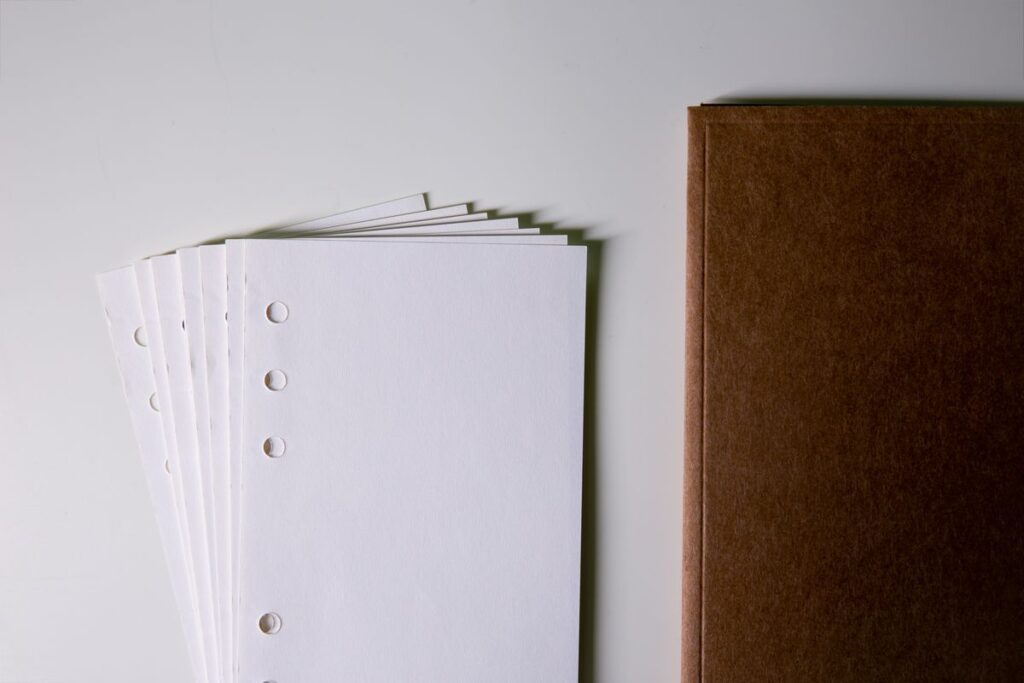
Full dividers help organize large sections; sticky index tabs are faster for marking individual pages without adding bulky sheets.
A self-healing mat is a worthwhile tool for frequent precision-knife work; spare cardboard is often enough for occasional light cutting.
Acid-free paper is worth prioritizing for keepsakes you hope to preserve; ordinary craft paper remains sensible for short-lived decorations.
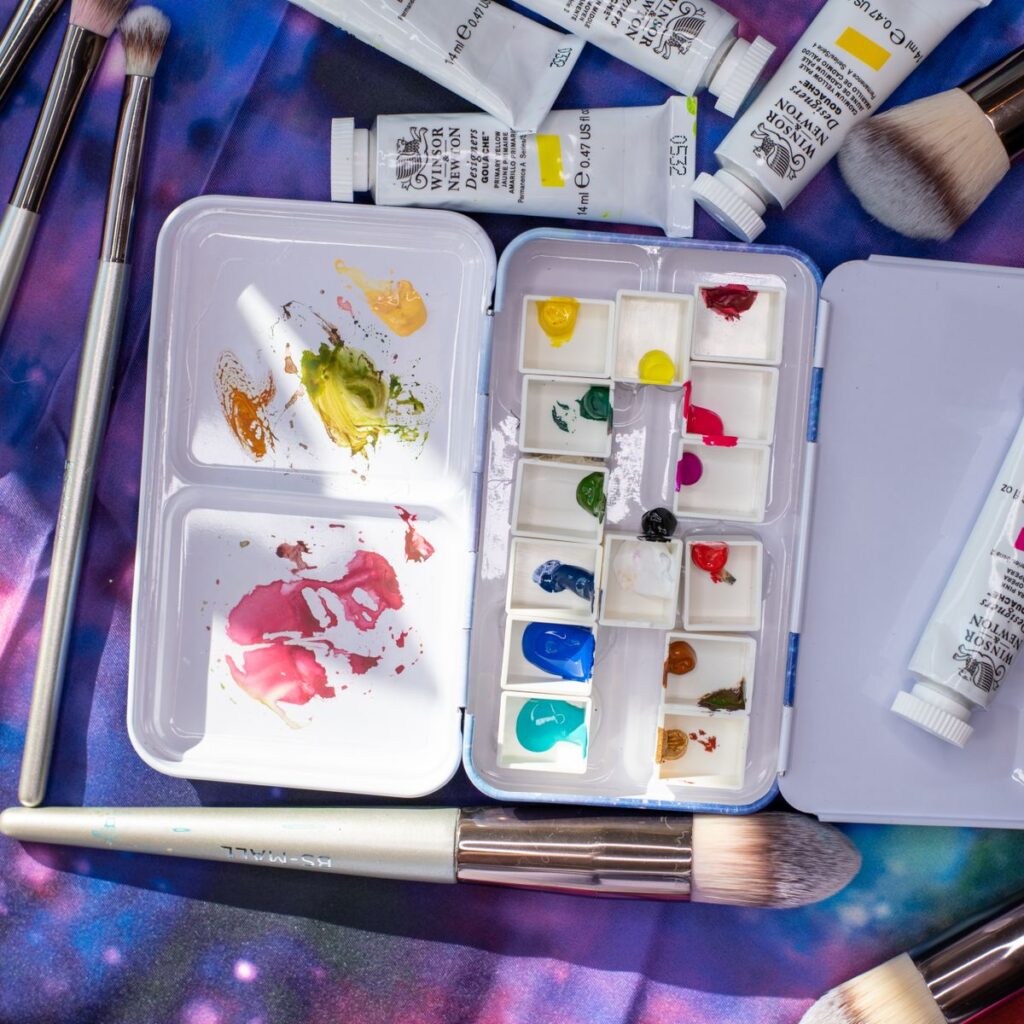
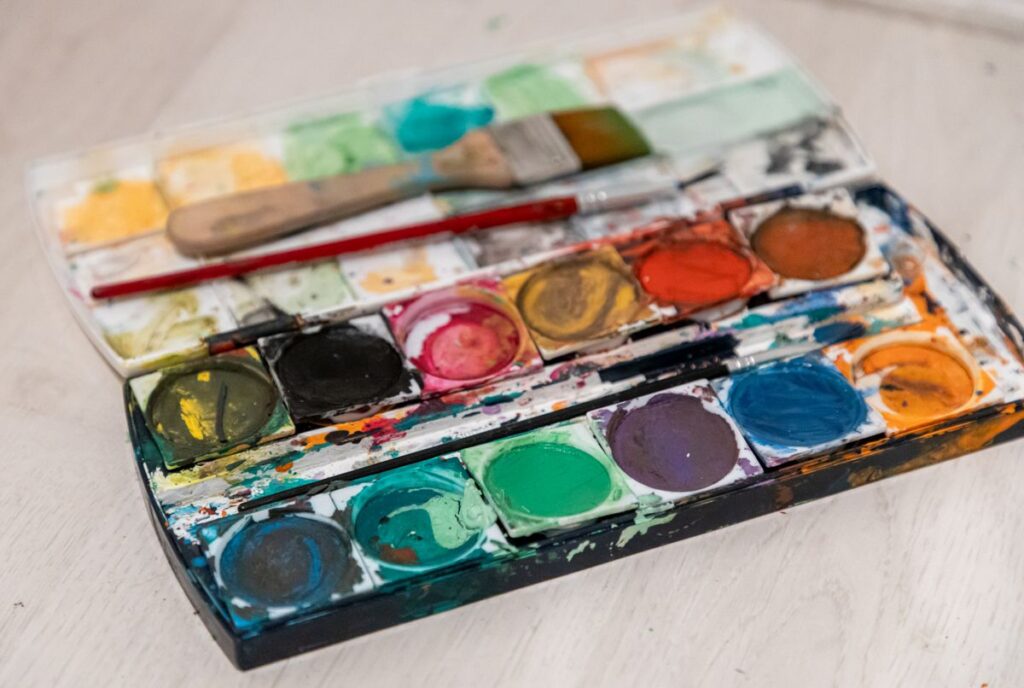
A water brush is tidy and convenient for travel sketches; a traditional brush gives finer control over the water already on its bristles.
A guillotine is useful for quick straight cuts through small stacks; a rotary trimmer can be easier for precise single-sheet craft cuts.
Tracing paper is a practical choice for transferring sketches; vellum offers a firmer, more presentable translucent surface when its specific finish suits your medium.