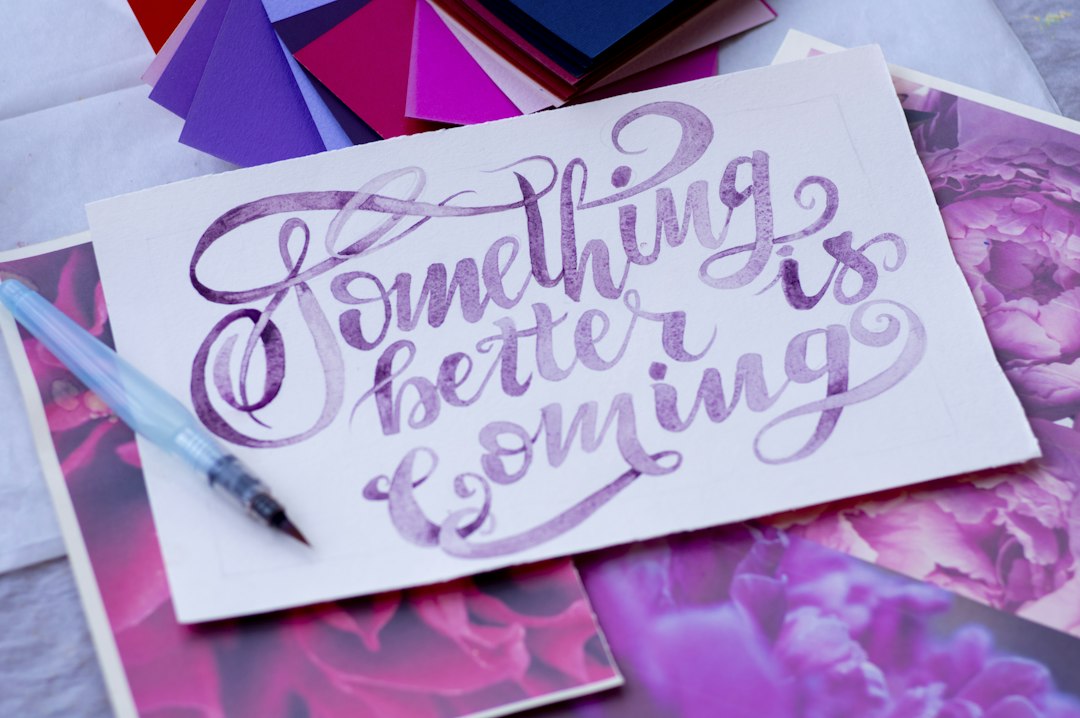
Quick verdict: A fine flexible tip gives beginners more control on small lettering; broad tips work better when the finished words need to be large and dramatic.
Buying specialized art supplies makes sense only when they solve a recurring problem. This guide compares two practical options, explains who benefits from each, and helps you avoid paying for equipment you will not use. Recommendations are based on general material properties, not a claim that we tested a particular product.
What Changes in Everyday Use?
Small handwritten cards and planner headers benefit from short strokes and a responsive, narrow point. A broad tip can fill those letters too quickly, reducing space inside small loops.
A flexible brush tip responds to pressure. That makes paper texture important: rough stock can fray soft tips. Practise on smooth paper before deciding a tip is defective.
Which One Is Better for Your Projects?
For a fair comparison, letter the same word at two sizes with each pen. Judge line variation, comfort and legibility rather than the number of pens in a pack.
Choose the first option when its specific advantage directly supports your project. Pick the second when it covers a wider range of your everyday work or costs less without compromising what you need. The most expensive version is not automatically the better purchase.
Who Should Buy—and Who Should Skip?
Consider fine-tip brush lettering pens if you encounter the specific limitation described above regularly. Consider broad-tip brush lettering pens if you prioritize its different workflow and can accept its limitations. Skip both if your existing equipment already does the job reliably.
How to Compare Value Before Checkout
- Check the seller’s exact dimensions, capacity, included accessories and compatibility with materials you own.
- Compare replacement consumables, build quality and return rules, rather than the headline discount.
- Read manufacturer instructions first for material compatibility and safe use; use independent reviews to understand recurring real-world issues.
- Compare final shipped prices separately in Canadian and U.S. stores. Listings and selections may differ.
A Low-Cost Way to Decide
Try a small version of your intended project with your current supplies. Write down what slows you down, then see whether the proposed tool actually solves it. If the improvement is tiny, keep the money for paper or other supplies you use more often.
Related Scribblet Guide
For another comparison in this category, read our related Scribblet buying guide.
Final Verdict
A fine flexible tip gives beginners more control on small lettering; broad tips work better when the finished words need to be large and dramatic. Prioritize a reliable fit for your own projects over attractive bundle counts or vague premium claims.
Compare Options in the USA and Canada
These affiliate links lead to Amazon search results, not personally tested or endorsed individual products. Check the exact listing before purchasing.
Compare fine-tip brush lettering pens — Amazon USA Compare fine-tip brush lettering pens — Amazon Canada
Compare broad-tip brush lettering pens — Amazon USA Compare broad-tip brush lettering pens — Amazon Canada
Affiliate disclosure: Scribblet may earn from qualifying purchases at no extra cost to you. Stock imagery is illustrative and does not document product testing.