Quick verdict: Transparent notes let you annotate over a page without marking the original; paper notes are generally easier to write on with ordinary pens. Transparency is useful for studying, but pen compatibility and residue matter.
What Changes in Daily Use?
Choosing the right tool is less about buying the priciest version and more about how it fits your regular tasks. Compare the materials, maintenance and actual limitations of both options. A small test with supplies you already use is often more informative than a manufacturer’s glamour photograph.
At a Glance
| Choice | Best fit |
|---|---|
| transparent sticky notes | Buy for the first option’s specific strengths below |
| paper sticky notes | Buy when the second option’s handling suits your work |
transparent sticky notes: Strengths and Drawbacks
See-through notes can overlay printed diagrams, textbook passages and reference charts while leaving the underlying content visible. Many use plastic film with a slick surface; ordinary gel or fountain ink may smear, so the maker may recommend ballpoint or permanent fine-tip markers.
Who should buy: People who regularly use the first format’s advantages. Who should skip: Those who need the alternative’s main benefits.
paper sticky notes: Strengths and Drawbacks
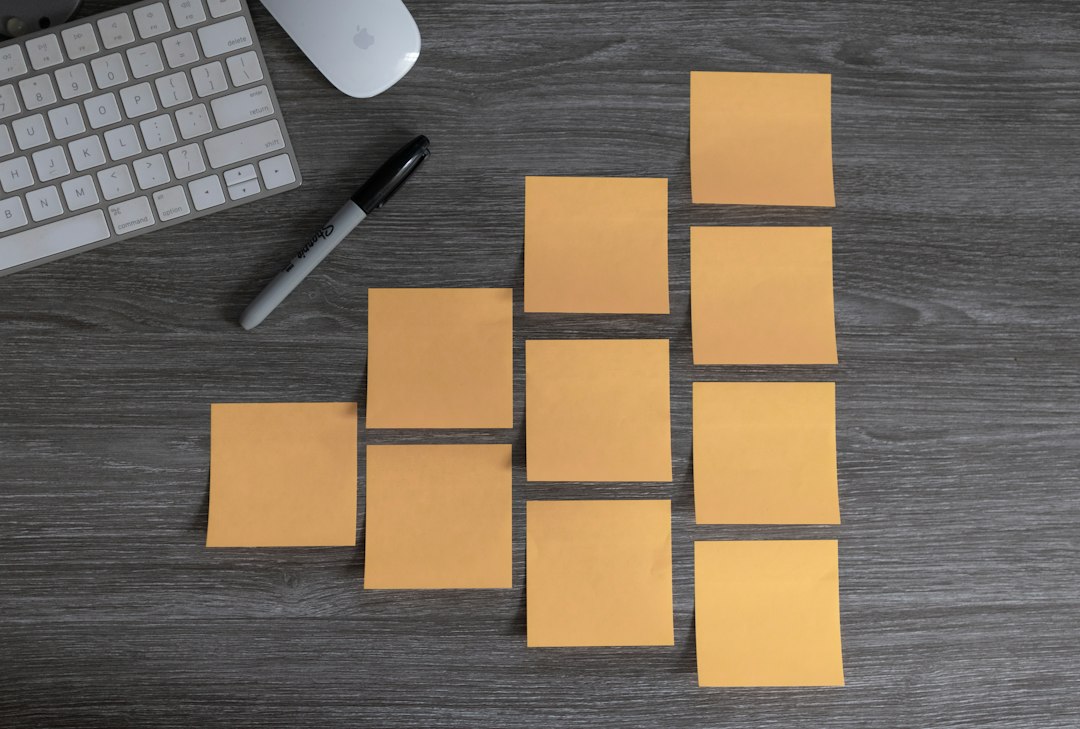
Conventional paper sticky notes work with a broader range of pens and are easy to read when attached to walls or planners. They obscure any text beneath them, though that can be an advantage for testing memory during revision.
Who should buy: Readers whose workflow fits this second format. Who should skip: People who’d be paying for features they barely use.
Common Mistakes and Compatibility
Removable adhesive does not guarantee a valuable book page is unaffected. Old paper, coatings, heat and long storage can lead to marks or tears. Test in an inconspicuous location; for collectible or archival books, avoid adhesive contact altogether.
Practical Buying Checklist
Check writable surface, opacity, dimensions, pen compatibility, ease of lifting and whether adhesives are advertised as repositionable. If you need frequent rearrangement, purchase a small pack and test first.
- Confirm the exact dimensions and intended applications of the product.
- Read current manufacturer instructions before relying on special features.
- Test a small quantity on your real paper or materials.
- Consider storage, consumables and replacement parts.
- Compare Canadian and U.S. seller terms before ordering.
Is the Upgrade Worth It?
Transparent notes justify a premium when overlays are genuinely central to your studying. If you only need reminders and lists, standard paper notes are simpler and often better value.
FAQ
Is the more expensive option automatically better?
No. The best value is the one that reliably handles your main task with the fewest compromises. A premium product is useful only when its extra capabilities matter.
Should beginners buy both?
Usually not. Start with the option that fits your current workflow, then add another when you encounter a repeated limitation.
Related Reading
For a neighbouring buying decision, see sticky notes versus index cards.
Final Verdict
Transparent notes let you annotate over a page without marking the original; paper notes are generally easier to write on with ordinary pens. Transparency is useful for studying, but pen compatibility and residue matter. Compare exact product specifications and avoid paying for unused capabilities.
Shop the Options — USA and Canada
Choose your country and preferred option.
Shop transparent sticky notes — Amazon USA Shop transparent sticky notes — Amazon Canada
Shop paper sticky notes — Amazon USA Shop paper sticky notes — Amazon Canada
Affiliate disclosure: Scribblet may earn a commission through qualifying Amazon USA or Canada purchases at no extra cost. This guide is based on research and does not claim hands-on testing.