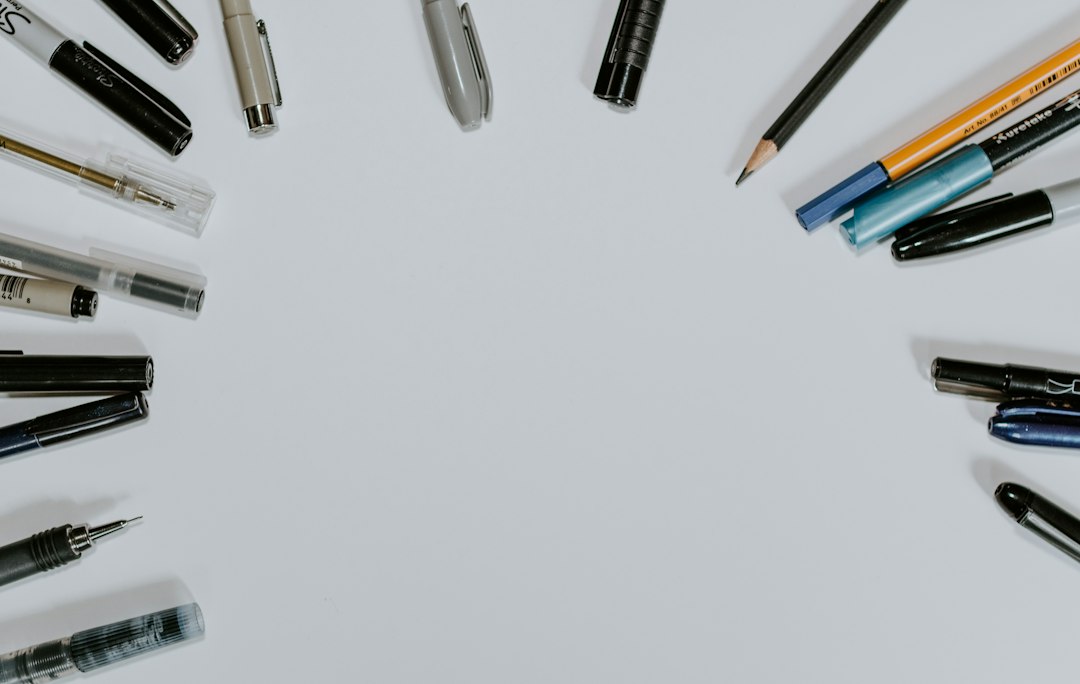
Quick verdict: Refillable brush pens can cut repeated waste for heavy users; disposable pens remove maintenance and make it inexpensive to try a new technique. The economics depend on compatible ink, nib lifespan and usage.
What Changes in Daily Use?
Choosing the right tool is less about buying the priciest version and more about how it fits your regular tasks. Compare the materials, maintenance and actual limitations of both options. A small test with supplies you already use is often more informative than a manufacturer’s glamour photograph.
At a Glance
| Choice | Best fit |
|---|---|
| refillable brush pens | Buy for the first option’s specific strengths below |
| disposable brush pens | Buy when the second option’s handling suits your work |
refillable brush pens: Strengths and Drawbacks
Refillable brush pens are attractive for regular lettering and sketching, especially when replacement reservoirs or compatible inks are easy to buy. Filling can be messy, and some systems require particular ink chemistry to avoid clogging or damaging the feed. Check manufacturer instructions rather than treating every bottled ink as interchangeable.
Who should buy: People who regularly use the first format’s advantages. Who should skip: Those who need the alternative’s main benefits.
disposable brush pens: Strengths and Drawbacks
Disposable brush pens work straight from the package and can be straightforward for beginners. Tips vary from firm felt to flexible nylon, so the label alone says little about pressure response. A marker can run dry even while its nib is intact, and entire-body replacement creates more waste.
Who should buy: Readers whose workflow fits this second format. Who should skip: People who’d be paying for features they barely use.
Common Mistakes and Compatibility
Refilling an unapproved marker with fountain pen ink, acrylic ink or solvent-based ink can ruin the tip and is not necessarily safe. Claims of savings should include consumables, replacement nibs and possible spills.
Practical Buying Checklist
Choose nib flexibility first, then check whether the ink is waterproof or blendable for your intended medium. Compare cost per refill, cleaning requirements, storage orientation and whether replacement parts are actually available.
- Confirm the exact dimensions and intended applications of the product.
- Read current manufacturer instructions before relying on special features.
- Test a small quantity on your real paper or materials.
- Consider storage, consumables and replacement parts.
- Compare Canadian and U.S. seller terms before ordering.
Is the Upgrade Worth It?
If you practise lettering every day, a reputable refillable system may pay off. For occasional cards, a few reliable disposable colours are often the easier and less expensive entry point.
FAQ
Is the more expensive option automatically better?
No. The best value is the one that reliably handles your main task with the fewest compromises. A premium product is useful only when its extra capabilities matter.
Should beginners buy both?
Usually not. Start with the option that fits your current workflow, then add another when you encounter a repeated limitation.
Related Reading
For a neighbouring buying decision, see hard versus soft brush pen tips.
Final Verdict
Refillable brush pens can cut repeated waste for heavy users; disposable pens remove maintenance and make it inexpensive to try a new technique. The economics depend on compatible ink, nib lifespan and usage. Compare exact product specifications and avoid paying for unused capabilities.
Shop the Options — USA and Canada
Choose your country and preferred option.
Shop refillable brush pens — Amazon USA Shop refillable brush pens — Amazon Canada
Shop disposable brush pens — Amazon USA Shop disposable brush pens — Amazon Canada
Affiliate disclosure: Scribblet may earn a commission through qualifying Amazon USA or Canada purchases at no extra cost. This guide is based on research and does not claim hands-on testing.