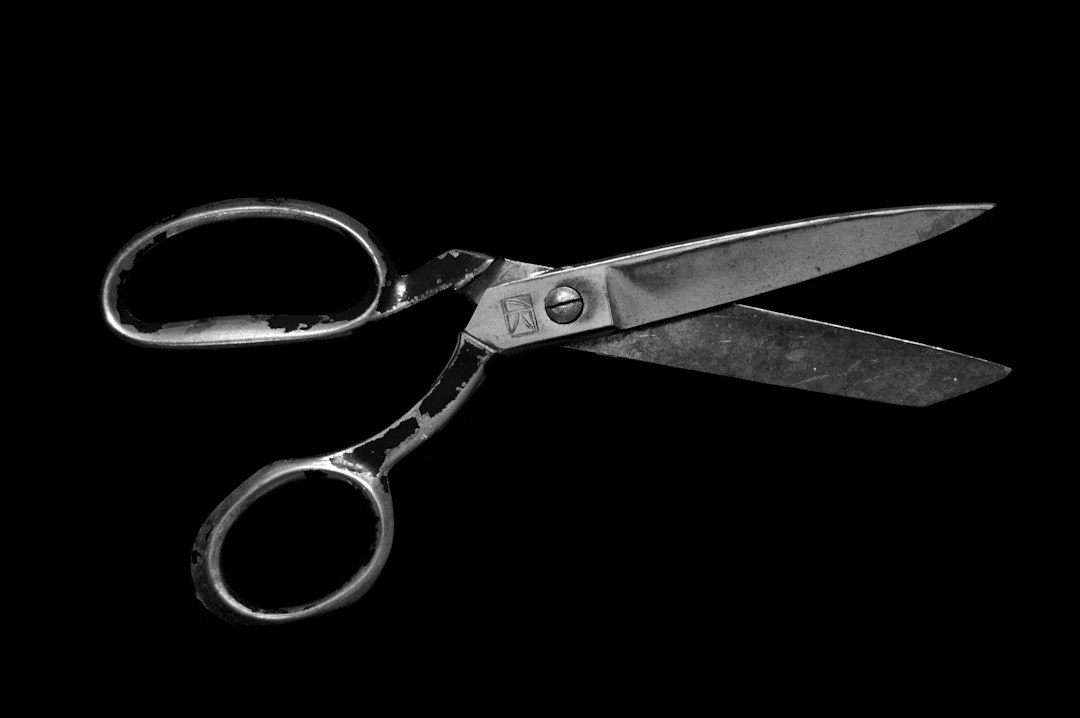
Quick verdict: Micro-tip scissors provide control for tiny curves and narrow gaps; standard craft scissors are faster on long cuts. If intricate trimming is occasional, one well-sharpened comfortable pair may be enough.
What Changes in Daily Use?
Choosing the right tool is less about buying the priciest version and more about how it fits your regular tasks. Compare the materials, maintenance and actual limitations of both options. A small test with supplies you already use is often more informative than a manufacturer’s glamour photograph.
At a Glance
| Choice | Best fit |
|---|---|
| micro-tip scissors | Buy for the first option’s specific strengths below |
| standard craft scissors | Buy when the second option’s handling suits your work |
micro-tip scissors: Strengths and Drawbacks
Short, fine tips let you rotate small paper shapes close to the blades, useful for stickers and tiny stamped motifs. They can be easier to control near delicate edges but are not ideal for thick cardstock or long straight runs. Store sharp tips covered.
Who should buy: People who regularly use the first format’s advantages. Who should skip: Those who need the alternative’s main benefits.
standard craft scissors: Strengths and Drawbacks
Standard scissors make broad trimming quicker and reduce the need for many tiny snips. A longer cutting edge improves smoothness on straightforward paths, but tight inside corners and intricate lace-like shapes are cumbersome.
Who should buy: Readers whose workflow fits this second format. Who should skip: People who’d be paying for features they barely use.
Common Mistakes and Compatibility
Small sharp scissors are not suitable for unsupervised children and should never be used for material outside the maker’s specifications. When cutting a very small shape, rotate the paper rather than twisting your wrist sharply; forcing the tips can distort the cut.
Practical Buying Checklist
Assess handle shape, comfortable grip, handedness, tip protection, blade alignment and the material thickness you use. Test on scrap cardstock before cutting the finished card.
- Confirm the exact dimensions and intended applications of the product.
- Read current manufacturer instructions before relying on special features.
- Test a small quantity on your real paper or materials.
- Consider storage, consumables and replacement parts.
- Compare Canadian and U.S. seller terms before ordering.
Is the Upgrade Worth It?
Buy micro-tip scissors when you regularly fussy-cut complex edges. If you mainly cut rectangles and long strips, spend on a paper trimmer or keep your standard pair instead.
FAQ
Is the more expensive option automatically better?
No. The best value is the one that reliably handles your main task with the fewest compromises. A premium product is useful only when its extra capabilities matter.
Should beginners buy both?
Usually not. Start with the option that fits your current workflow, then add another when you encounter a repeated limitation.
Related Reading
For a neighbouring buying decision, see precision versus general craft scissors.
Final Verdict
Micro-tip scissors provide control for tiny curves and narrow gaps; standard craft scissors are faster on long cuts. If intricate trimming is occasional, one well-sharpened comfortable pair may be enough. Compare exact product specifications and avoid paying for unused capabilities.
Shop the Options — USA and Canada
Choose your country and preferred option.
Shop micro-tip scissors — Amazon USA Shop micro-tip scissors — Amazon Canada
Shop standard craft scissors — Amazon USA Shop standard craft scissors — Amazon Canada
Affiliate disclosure: Scribblet may earn a commission through qualifying Amazon USA or Canada purchases at no extra cost. This guide is based on research and does not claim hands-on testing.