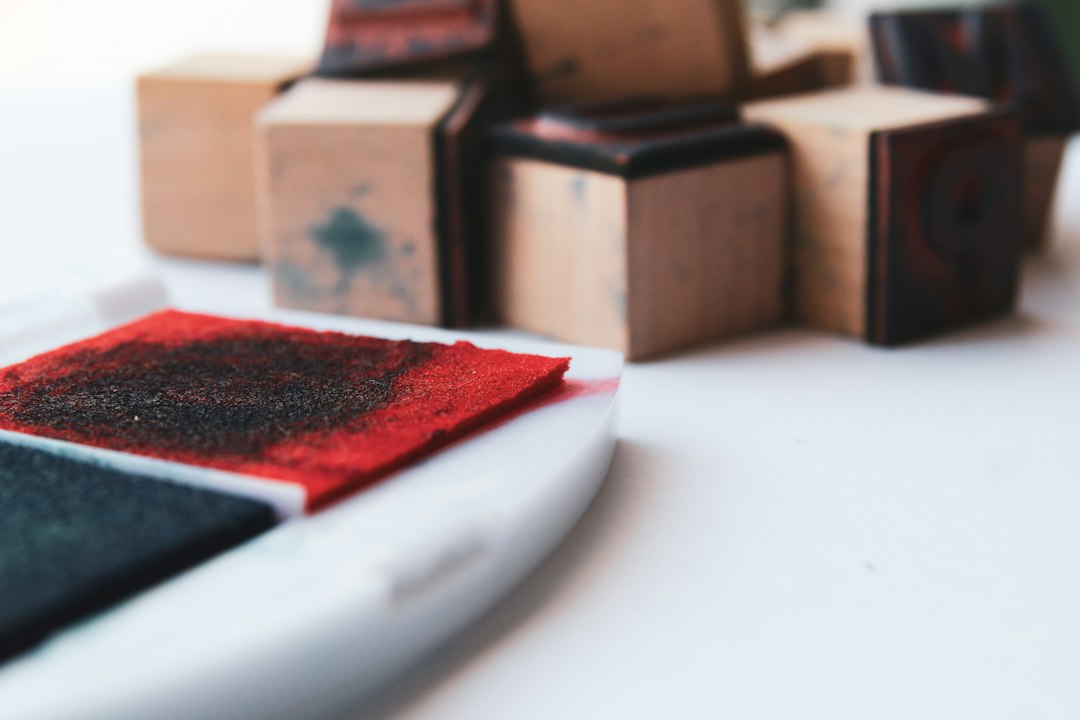
Quick verdict: Pigment inks often sit nearer the paper surface with opaque coverage; dye inks typically absorb into paper for crisp, transparent impressions. Drying, permanence and waterproofness vary by exact formulation.
What Changes in Daily Use?
Choosing the right tool is less about buying the priciest version and more about how it fits your regular tasks. Compare the materials, maintenance and actual limitations of both options. A small test with supplies you already use is often more informative than a manufacturer’s glamour photograph.
At a Glance
| Choice | Best fit |
|---|---|
| pigment stamp ink | Buy for the first option’s specific strengths below |
| dye stamp ink | Buy when the second option’s handling suits your work |
pigment stamp ink: Strengths and Drawbacks
Pigment ink pads can produce rich impressions on dark or coloured cardstock, and some are designed for embossing or archival applications. Drying may take longer depending on surface and formula. Heat-setting instructions must be followed only where a manufacturer explicitly supports them.
Who should buy: People who regularly use the first format’s advantages. Who should skip: Those who need the alternative’s main benefits.
dye stamp ink: Strengths and Drawbacks
Dye inks often dry quickly on porous paper and deliver detailed stamped lines, making them practical for repetitive card decoration. On slick coated surfaces they can smear; exposure to moisture or light may affect ordinary non-archival formulations.
Who should buy: Readers whose workflow fits this second format. Who should skip: People who’d be paying for features they barely use.
Common Mistakes and Compatibility
The terms ‘pigment’ and ‘dye’ do not prove that a pad is waterproof, archival or suitable for fabric. Those are separate claims, best checked against product-specific documentation. Clean stamps with supplies suitable for their rubber or photopolymer material.
Practical Buying Checklist
Check intended surface, drying time, colour opacity, ink pad dimensions, reinker availability and compatibility with alcohol markers or watercolour if you’ll colour stamped outlines.
- Confirm the exact dimensions and intended applications of the product.
- Read current manufacturer instructions before relying on special features.
- Test a small quantity on your real paper or materials.
- Consider storage, consumables and replacement parts.
- Compare Canadian and U.S. seller terms before ordering.
Is the Upgrade Worth It?
Buy specialty pigment ink when embossing, opacity or certified longevity matters. For everyday paper crafts, a dependable dye pad may be cheaper and quicker to use.
FAQ
Is the more expensive option automatically better?
No. The best value is the one that reliably handles your main task with the fewest compromises. A premium product is useful only when its extra capabilities matter.
Should beginners buy both?
Usually not. Start with the option that fits your current workflow, then add another when you encounter a repeated limitation.
Related Reading
For a neighbouring buying decision, see ink pad types explained.
Final Verdict
Pigment inks often sit nearer the paper surface with opaque coverage; dye inks typically absorb into paper for crisp, transparent impressions. Drying, permanence and waterproofness vary by exact formulation. Compare exact product specifications and avoid paying for unused capabilities.
Shop the Options — USA and Canada
Choose your country and preferred option.
Shop pigment stamp ink — Amazon USA Shop pigment stamp ink — Amazon Canada
Shop dye stamp ink — Amazon USA Shop dye stamp ink — Amazon Canada
Affiliate disclosure: Scribblet may earn a commission through qualifying Amazon USA or Canada purchases at no extra cost. This guide is based on research and does not claim hands-on testing.