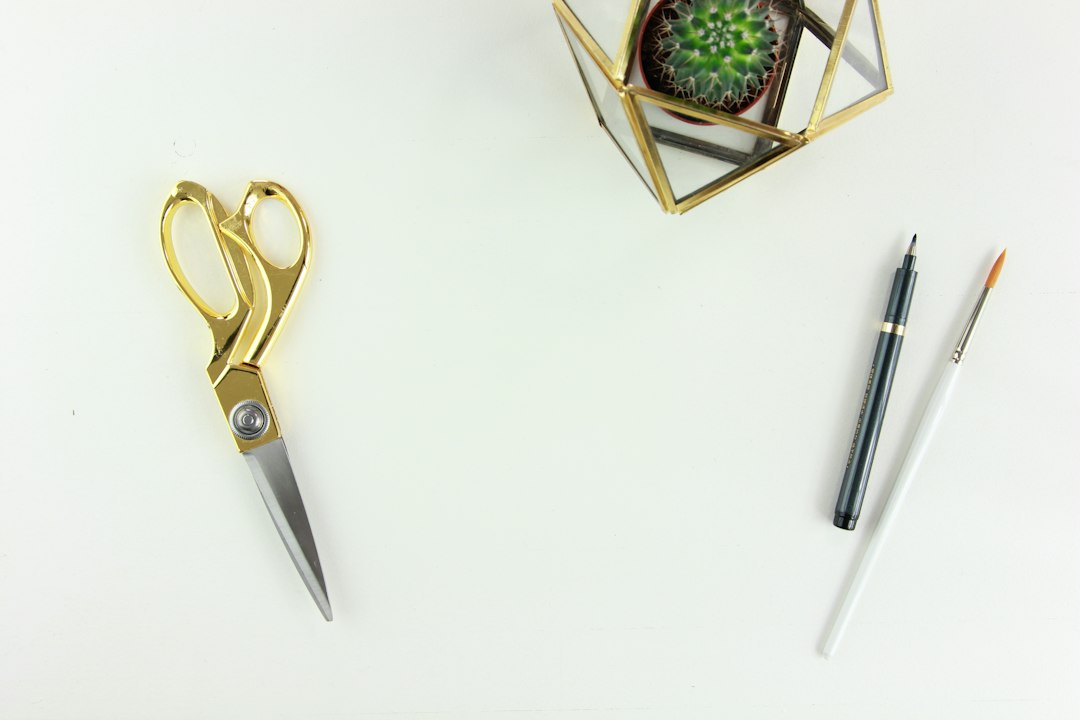
Quick verdict: Precision scissors excel at small curves and fussy cutting, while a comfortable general-purpose pair handles longer straight and broad cuts. Many crafters benefit from both, but beginners can start with one sharp pair.
Before buying another piece of stationery or craft equipment, consider your most frequent task. Price and popularity alone don’t settle whether one option will save time, avoid waste or improve the finished work. This guide separates real functional differences from upgrades that may not matter to you.
At a Glance
| Option | Why consider it | Before you buy |
|---|---|---|
| precision scissors | Small fine-tip blades give more control around paper illustrations, stickers and intricate card details. | Confirm suitability for your everyday task |
| general craft scissors | General craft scissors with comfortable grips can cut wrapping paper, cardstock and common lightweight supplies quickly. | Check compatibility and real upkeep costs |
precision scissors: Advantages and Limitations
Small fine-tip blades give more control around paper illustrations, stickers and intricate card details. Their short cutting span slows long edges; pointy tips also require careful handling and protective storage.
Who should buy: Anyone who needs the first option’s particular strengths on a regular basis. Who should skip: Buyers who chiefly need the second option’s capabilities, or who already have a reliable alternative.
general craft scissors: Advantages and Limitations
General craft scissors with comfortable grips can cut wrapping paper, cardstock and common lightweight supplies quickly. They are less nimble inside narrow spaces, and heavy material can strain blades not intended for it.
Who should buy: People whose typical workload fits the second option. Who should skip: Someone who would mainly pay for unused features or extra storage.
Common Mistakes
Never use fine paper scissors on wire or heavy adhesives unless explicitly permitted. Sticky residue can cause cutting problems; clean according to manufacturer instructions and dry thoroughly.
Practical Buying Checklist
Check handle fit, handedness, blade alignment, protective cover and intended material thickness. Test comfort because handles that fit one person may hurt another.
- Identify your main application before selecting materials or features.
- Check dimensions, specifications and replacements on the exact listing.
- Read the seller’s returns terms in your country before ordering.
- Test a small quantity before committing to a bulk purchase.
- Keep any manufacturer maintenance and safety instructions.
Is the Upgrade Worth It?
Upgrade only after identifying a recurring cut that your existing pair cannot make cleanly. Sharpness and good fit matter more than collecting decorative blade shapes.
Frequently Asked Questions
Do I need both types?
Not necessarily. Start with the option suited to the task you do most often, and add the alternative only if it solves a specific repeated limitation.
Is the more expensive one always better?
No. Materials, reliability, compatibility and the intended use are more meaningful than price alone. Check current manufacturer details for particular products.
Related Reading
See our related guide on rotary versus guillotine paper trimmers for another practical buying choice.
Final Verdict
Precision scissors excel at small curves and fussy cutting, while a comfortable general-purpose pair handles longer straight and broad cuts. Many crafters benefit from both, but beginners can start with one sharp pair. A sensible purchase solves an actual problem instead of filling a drawer with supplies you rarely use.
Shop the Options — USA and Canada
Choose your country and preferred option.
Compare precision scissors — Amazon USA Compare precision scissors — Amazon Canada
Compare general craft scissors — Amazon USA Compare general craft scissors — Amazon Canada
Affiliate disclosure: Scribblet may earn a commission from qualifying purchases through Amazon USA or Amazon Canada links at no extra cost to the reader. This researched guide does not claim firsthand testing.