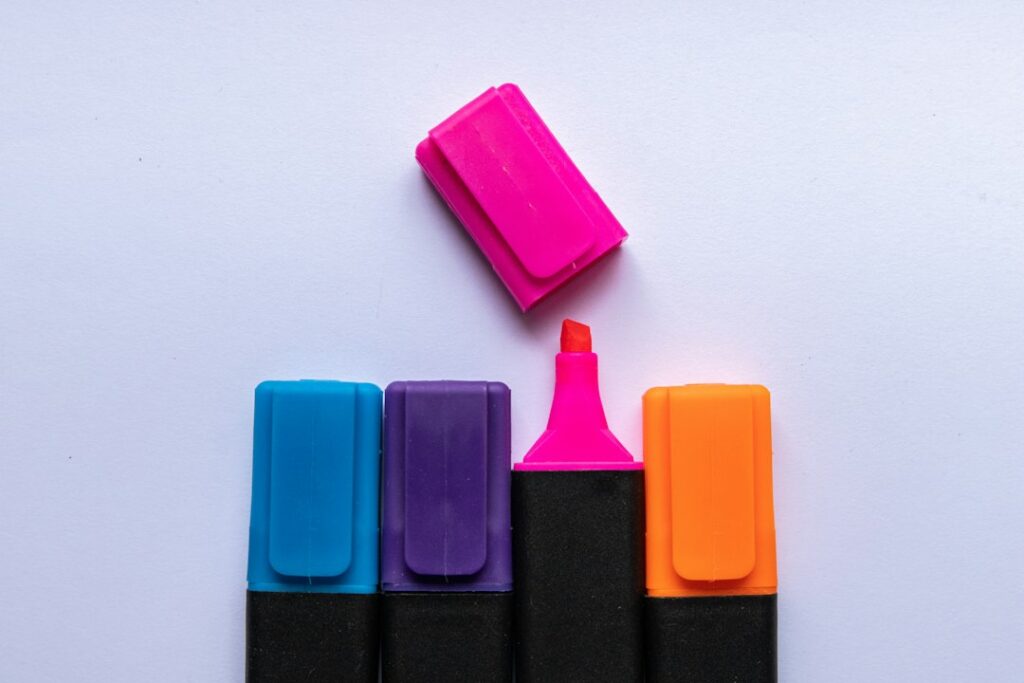
Chisel Tip vs Bullet Tip Markers for Journaling and Lettering
Choose chisel tips for varied stroke widths, highlighting and broad lettering. Bullet tips are easier for consistent lines, small labels and neat notes.
Choose chisel tips for varied stroke widths, highlighting and broad lettering. Bullet tips are easier for consistent lines, small labels and neat notes.
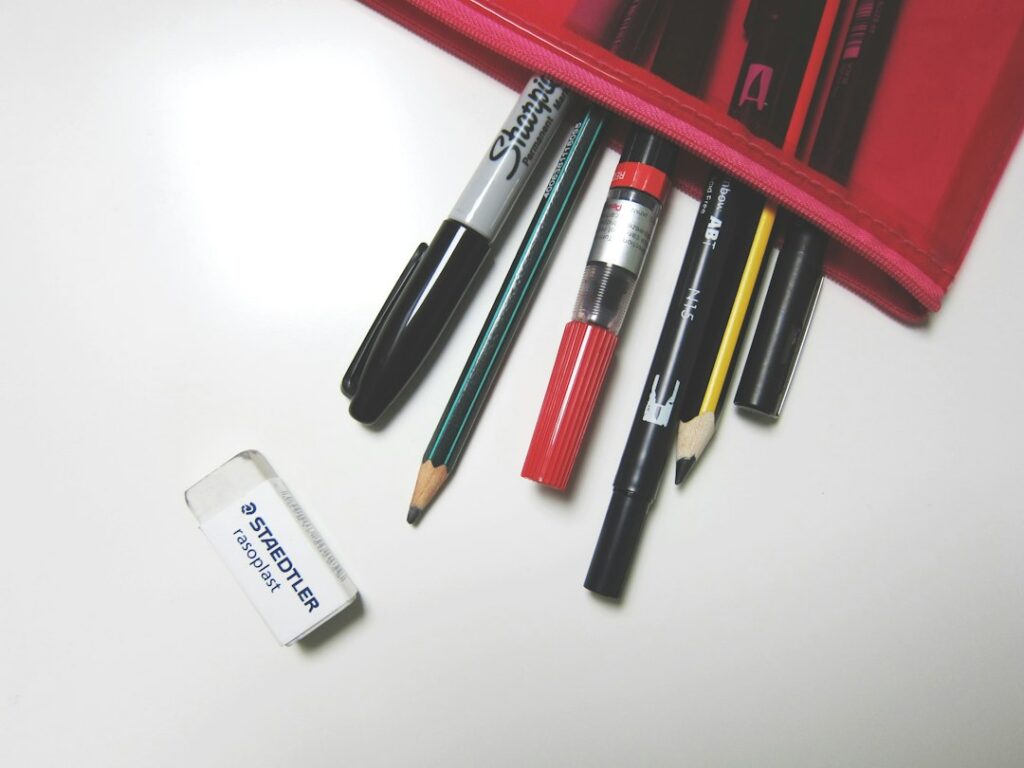
A pencil roll organizes individual pencils for quick colour selection. A zippered case is more flexible for mixed supplies and protects loose accessories from spilling.
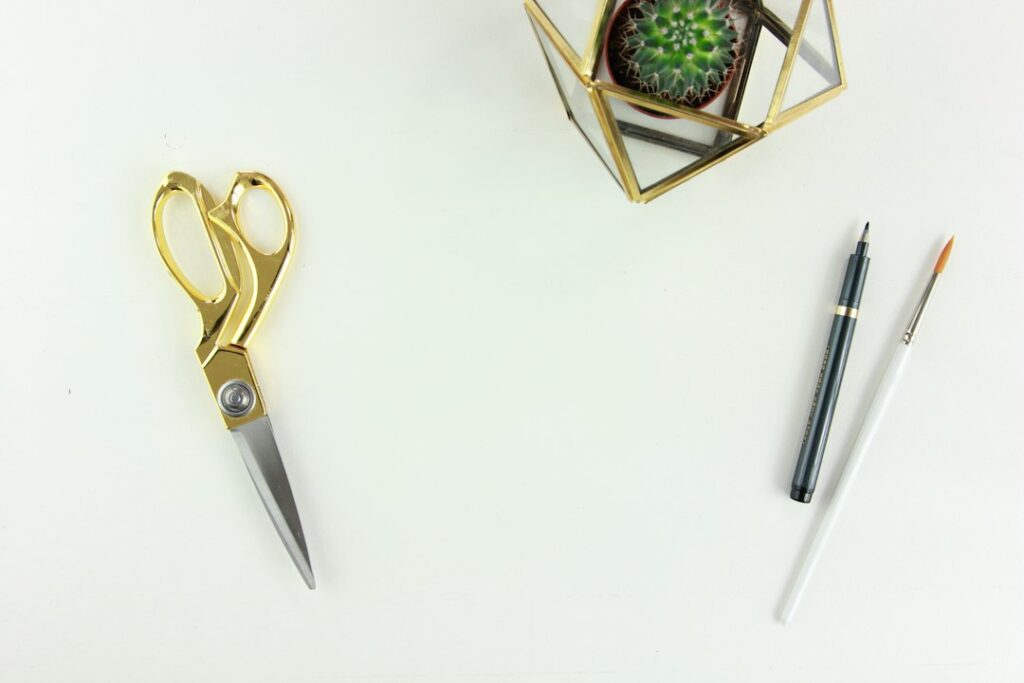
Precision scissors excel at small curves and fussy cutting, while a comfortable general-purpose pair handles longer straight and broad cuts. Many crafters benefit from both, but beginners can start with one sharp pair.
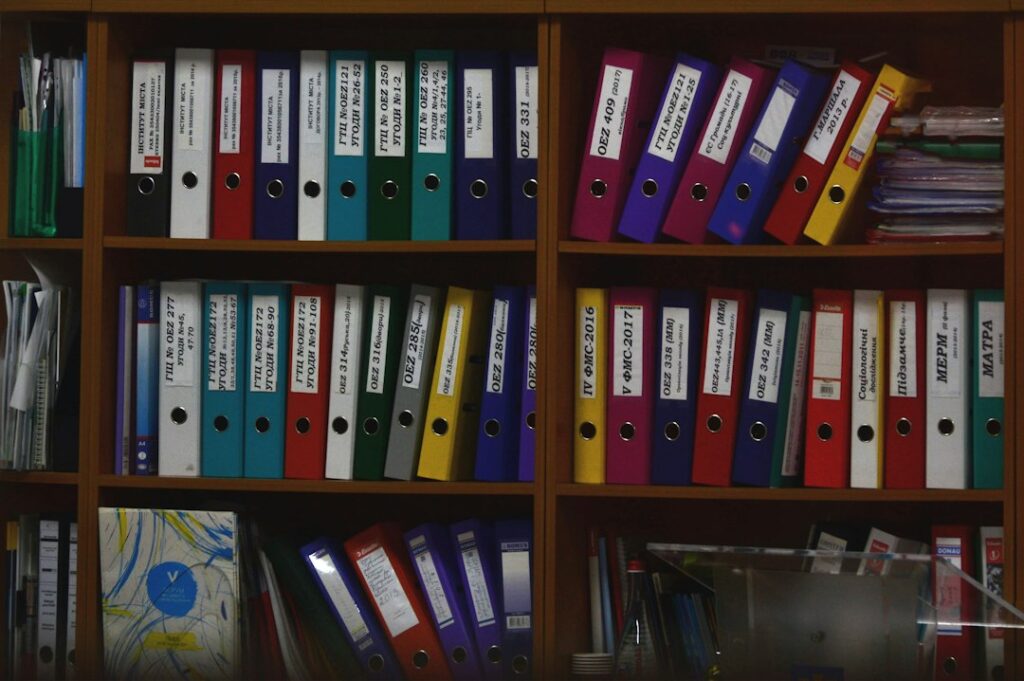
Buy according to the hole pattern and paper size you actually use. Two-ring A4 and three-ring letter systems are not universally interchangeable.
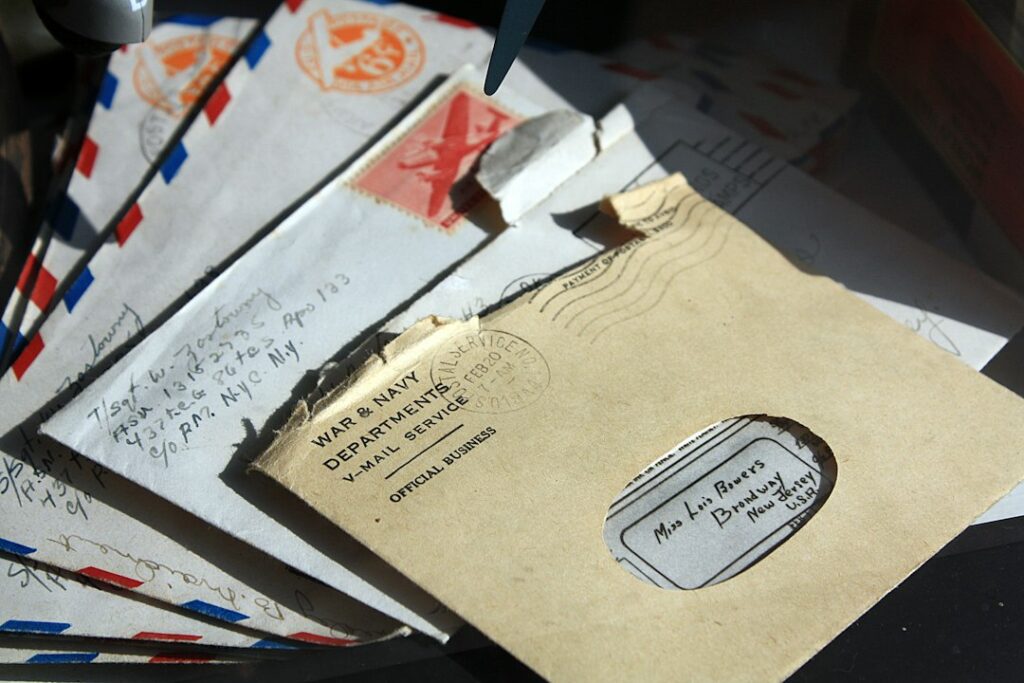
Peel-and-seal envelopes save time on occasional mailings and small business batches; traditional gummed envelopes can be a better value for infrequent use if properly stored.

Cold press is the versatile starting point for many beginner paintings. Hot press offers a smoother surface for fine pen-and-wash detail, but no texture is ideal for every technique.
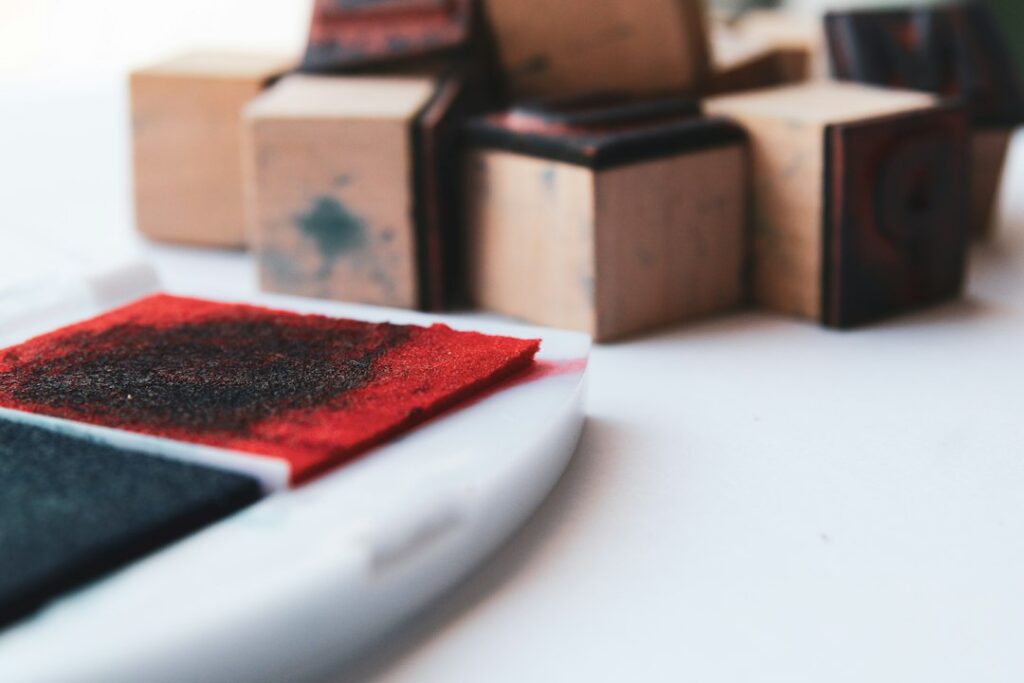
Choose wood-mounted stamps for a sturdy ready-to-use tool; clear stamps make alignment easier and store compactly when paired with a suitable acrylic block.
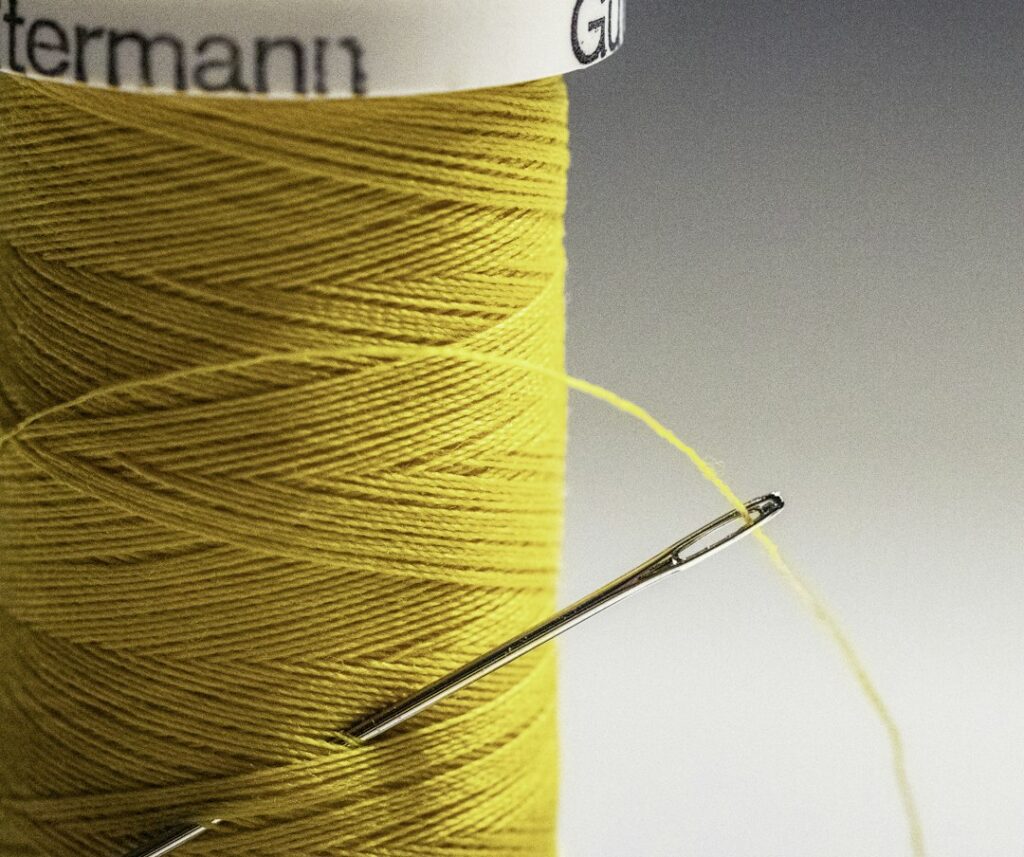
For lasting handmade books, a suitable bookbinding thread is the most reliable starting point. Embroidery floss is useful for decorative exposed stitches, while ordinary machine sewing thread may be too thin for some binding structures.

Neither binder type automatically makes a pencil better. Pigment concentration, core firmness, paper and lightfastness are more important than the wax-versus-oil label.
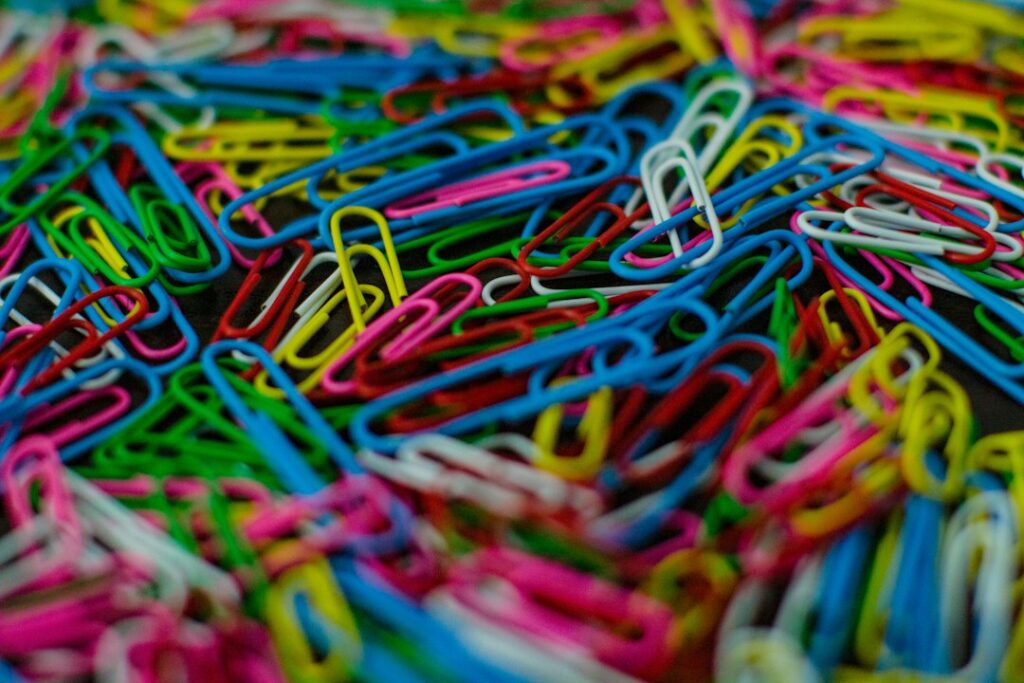
Paper clips are quick for a few loose sheets that need minimal bulk. Binder clips provide a firmer grip for thicker stacks but leave more hardware around the edge.