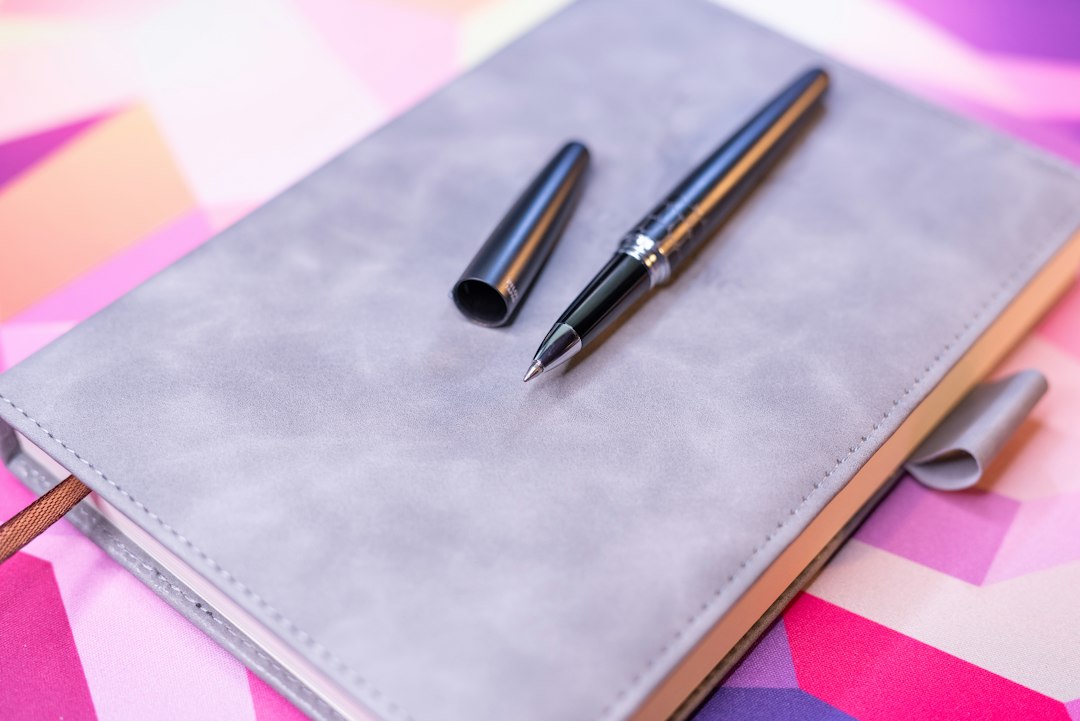
Quick verdict: Choose a gel pen for vivid notes and comfortable, low-pressure writing; choose a conventional ballpoint for forms, quick work notes, pocket carry and paper that doesn’t tolerate wetter ink well.
Gel pens often feel smoother and produce bolder, more saturated lines, while conventional oil-based ballpoints usually offer dependable performance on everyday paper and generally dry faster. The best option depends on writing pressure, paper quality and whether smudging is a problem.
At a Glance
| Option | Best reason to buy | Main caution |
|---|---|---|
| gel pens | Gel ink typically deposits a strong, opaque-looking line with relatively light pressure. | Check model and project fit before purchasing |
| ballpoint pens | Ballpoint paste ink tends to last well in the refill, travel without much fuss and tolerate ordinary office paper. | Don’t assume every version performs the same |
gel pens: Strengths and Trade-offs
Gel ink typically deposits a strong, opaque-looking line with relatively light pressure. Many people enjoy it for headings, journaling and colourful annotations. Ink behaviour varies significantly by pen formulation: a fast-drying gel is not the same as a thick, slow-drying one.
Who should buy: People whose principal use matches the advantages above. Who should skip: Anyone whose work demands the alternative’s main advantage.
ballpoint pens: Strengths and Trade-offs
Ballpoint paste ink tends to last well in the refill, travel without much fuss and tolerate ordinary office paper. Some ballpoints require noticeably more pressure, which can tire the hand during long sessions; premium low-viscosity hybrids can feel much smoother than old-fashioned ballpoints.
Who should buy: Buyers who value that particular workflow and do not need features they won’t use. Who should skip: People better served by the first option.
Common Mistakes
Left-handed writers should test drying time on their actual paper before stocking up. Glossy notebooks can smudge either ink type. For archival documents, check any formal requirements rather than treating every pen labelled ‘permanent’ as equally certified.
Buying Checklist
Check grip comfort, line width, refill availability and whether the pen retracts securely. Fine points offer smaller handwriting, while broad points produce more ink and can increase drying time. Do not buy bulk refills until you know the exact pen body and refill code are compatible.
Is the Upgrade Worth It?
An inexpensive ballpoint is often adequate for a desk drawer. Pay extra for a gel pen only if its ink colour, feel or comfort improves the writing you do most. A replaceable refill is often more valuable than a fancy disposable barrel.
Frequently Asked Questions
Are gel pens always smoother?
Not always. Ink formulation, tip quality and paper texture all change the experience. Many gel pens feel smooth, but high-quality ballpoints can too.
Which ink lasts longer?
Ink consumption and refill capacity vary widely. Ballpoints frequently deliver many pages from a refill, but compare actual models before making a durability claim.
Related Reading
See our guide to archival pens for journaling for a related buying decision.
Final Verdict
Gel for vibrant, low-pressure notes; ballpoint for simple everyday reliability. Neither category is an automatic winner for every writer.
Shop the Options — USA and Canada
Choose your country and the option that fits your needs.
Compare gel pens — Amazon USA Compare gel pens — Amazon Canada
Compare ballpoint pens — Amazon USA Compare ballpoint pens — Amazon Canada
Affiliate disclosure: Scribblet may earn a commission on qualifying purchases through U.S. or Canadian Amazon links at no extra cost to readers. This researched comparison does not claim firsthand testing.