Quick verdict: Plastic templates are lightweight and easier to see through; metal templates can withstand repeated tracing but may have sharper edges. Accuracy depends on cut quality, thickness and lettering size.
What Changes in Daily Use?
Choosing the right tool is less about buying the priciest version and more about how it fits your regular tasks. Compare the materials, maintenance and actual limitations of both options. A small test with supplies you already use is often more informative than a manufacturer’s glamour photograph.
At a Glance
| Choice | Best fit |
|---|---|
| metal lettering stencils | Buy for the first option’s specific strengths below |
| plastic lettering stencils | Buy when the second option’s handling suits your work |
metal lettering stencils: Strengths and Drawbacks
Thin metal templates hold their shape under regular tracing and resist some wear, which can suit repetitive sign layouts. The trade-off is less visibility beneath the tool and the potential for metal edges to mark delicate paper. They also cost more in some ranges.
Who should buy: People who regularly use the first format’s advantages. Who should skip: Those who need the alternative’s main benefits.
plastic lettering stencils: Strengths and Drawbacks
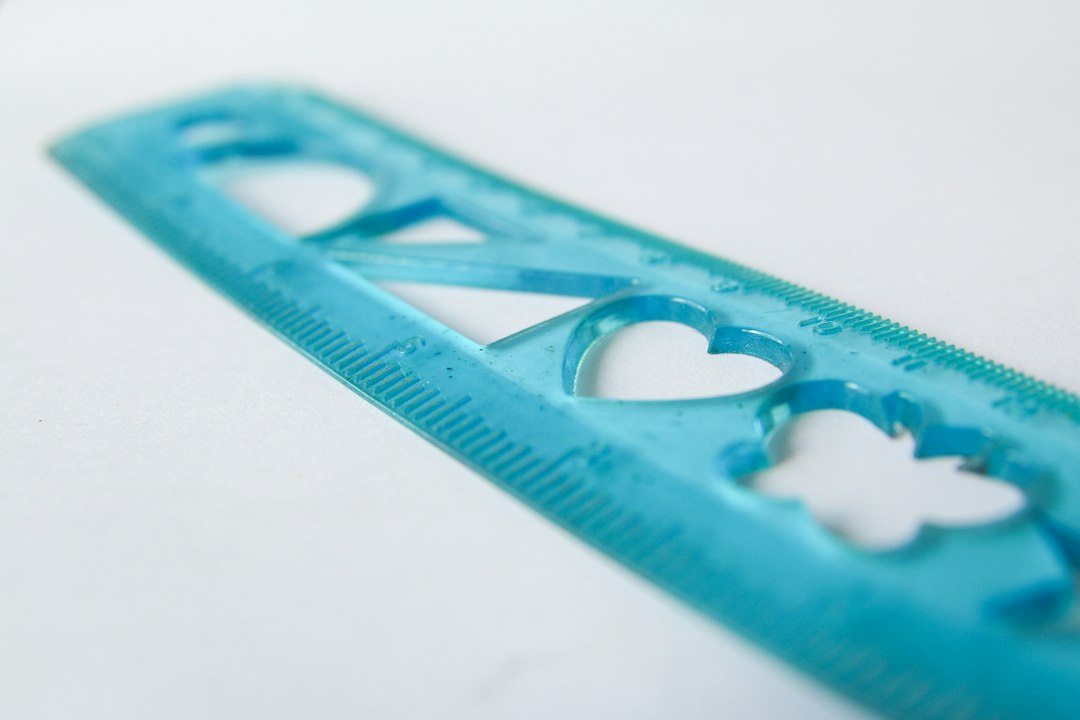
Plastic lettering stencils can be transparent, colourful and inexpensive. Being able to see the sheet below helps line up rows and spacing. Very thin flexible plastic can lift off the page or warp in storage; marker bleed can creep under poorly held edges.
Who should buy: Readers whose workflow fits this second format. Who should skip: People who’d be paying for features they barely use.
Common Mistakes and Compatibility
Avoid dragging a pen nib hard against rough stencil openings and don’t use a craft knife against a stencil unless the product explicitly supports cutting. Clean plastic with the correct cleaner to prevent clouding or cracking.
Practical Buying Checklist
Check letter heights, typeface readability, spacing marks, stencil thickness, edge smoothness and compatibility with your chosen pen or pencil. A few common letter sizes are more useful than dozens you rarely use.
- Confirm the exact dimensions and intended applications of the product.
- Read current manufacturer instructions before relying on special features.
- Test a small quantity on your real paper or materials.
- Consider storage, consumables and replacement parts.
- Compare Canadian and U.S. seller terms before ordering.
Is the Upgrade Worth It?
Metal is worthwhile for repeated professional-style layouts if you need added robustness. Plastic suits hobby journals and flexible templates at a modest cost.
FAQ
Is the more expensive option automatically better?
No. The best value is the one that reliably handles your main task with the fewest compromises. A premium product is useful only when its extra capabilities matter.
Should beginners buy both?
Usually not. Start with the option that fits your current workflow, then add another when you encounter a repeated limitation.
Related Reading
For a neighbouring buying decision, see brass and plastic bullet journal stencils.
Final Verdict
Plastic templates are lightweight and easier to see through; metal templates can withstand repeated tracing but may have sharper edges. Accuracy depends on cut quality, thickness and lettering size. Compare exact product specifications and avoid paying for unused capabilities.
Shop the Options — USA and Canada
Choose your country and preferred option.
Shop metal lettering stencils — Amazon USA Shop metal lettering stencils — Amazon Canada
Shop plastic lettering stencils — Amazon USA Shop plastic lettering stencils — Amazon Canada
Affiliate disclosure: Scribblet may earn a commission through qualifying Amazon USA or Canada purchases at no extra cost. This guide is based on research and does not claim hands-on testing.