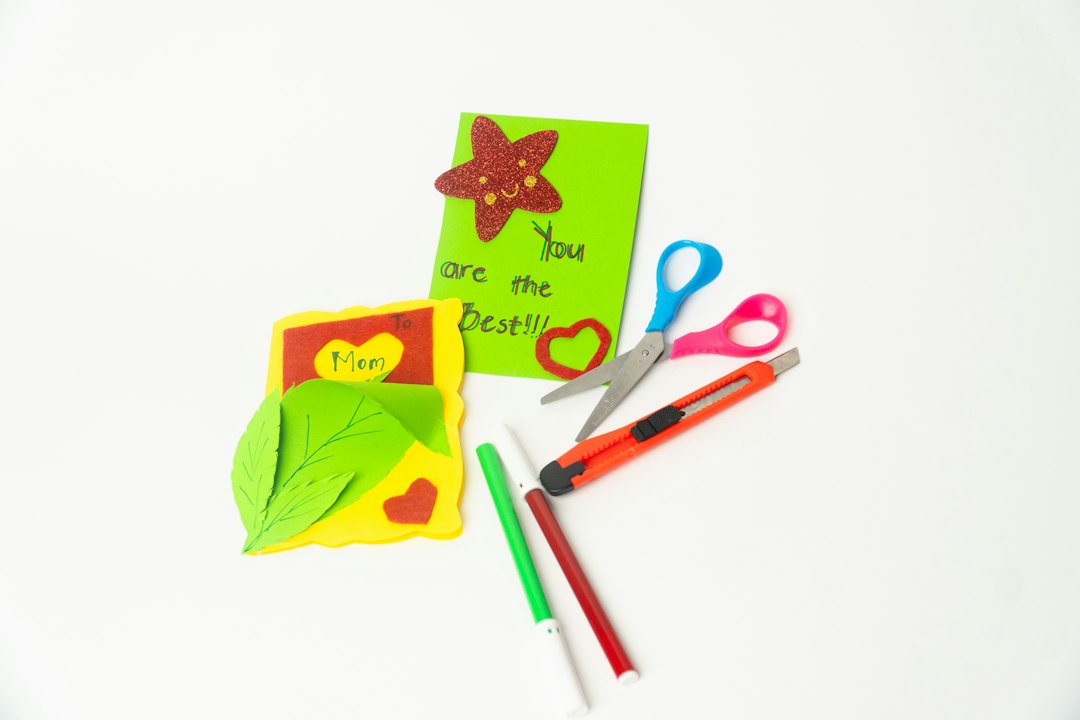
Quick verdict: Glue sticks are tidy and quick for lightweight paper. A carefully chosen liquid craft glue can be stronger for layered projects and embellishments, but excess moisture may wrinkle thin paper. The adhesive formula and surface matter more than the bottle shape.
Paper crafts don’t need one universal glue. Flat paper collage, gift tags, dimensional cards and scrapbook embellishments place different demands on an adhesive. Choose according to bond strength, drying time, archival needs and how much moisture the paper tolerates.
At a Glance
| Option | Typical buyer |
|---|---|
| glue sticks | Buy when you need this format’s particular convenience |
| liquid craft glue | Buy when the second format solves your main limitation |
glue sticks: Benefits and Limitations
Glue sticks can apply a relatively thin coat with minimal mess, making them convenient for children, casual scrapbooking and classroom worksheets. They may struggle with heavy embellishments, glossy coated stock or edges that constantly flex. Replace the cap tightly; dried sticks become difficult to apply evenly.
Who should buy: People who value its particular advantages. Who should skip: Anyone whose primary use needs the second format’s strengths.
liquid craft glue: Benefits and Limitations
Liquid PVA-style craft adhesives can bond thicker papers and small embellishments more reliably, depending on their formulation. A fine nozzle helps you control the application. Too much wet glue can cause buckling, staining, seepage or slow drying. Adhesives sold for photos or conservation work need specific documentation; generic craft glue is not automatically archival.
Who should buy: Readers whose requirements match the advantages above. Who should skip: Those who would pay more for capabilities they do not use.
Common Mistakes to Avoid
Using a large puddle of wet glue on thin printing paper is a recipe for wrinkles. Applying too little of a weak stick glue to corners may lead to peeling. Test the same paper combination and drying conditions before making a batch of invitations or keepsake albums.
Buying Checklist
Check whether the product is intended for porous paper, coated surfaces or photos; how it dries; whether it becomes clear; acid-free claims when relevant; and whether it remains flexible. If children will use it, follow the manufacturer’s age and safety instructions.
Is the Upgrade Worth It?
A higher-quality liquid glue earns the extra cost for thicker constructions or delicate precision work. For inexpensive school projects, a basic glue stick is usually more convenient and may already be entirely sufficient.
FAQ
Will glue sticks hold cardstock?
They can bond some cardstock, especially broad flat areas, but performance varies with thickness and coating. Test important edges before committing.
Which is best for photographs?
Use an adhesive specifically identified as photo-safe, or consider photo corners so the print can be removed without coating its back.
Related Reading
Our related guide to photo corners versus glue covers another useful buying decision.
Final Verdict
Glue sticks for simple flat projects; suitable liquid adhesive for stronger or more detailed builds. Test first and use only as much as necessary.
Shop the Options — USA and Canada
Choose your country and the option that fits your needs.
Compare glue sticks — Amazon USA Compare glue sticks — Amazon Canada
Compare liquid craft glue — Amazon USA Compare liquid craft glue — Amazon Canada
Affiliate disclosure: Scribblet may receive a commission on qualifying Amazon purchases through U.S. and Canadian affiliate links, at no extra cost to the reader. Research-based guidance; no firsthand testing is claimed.