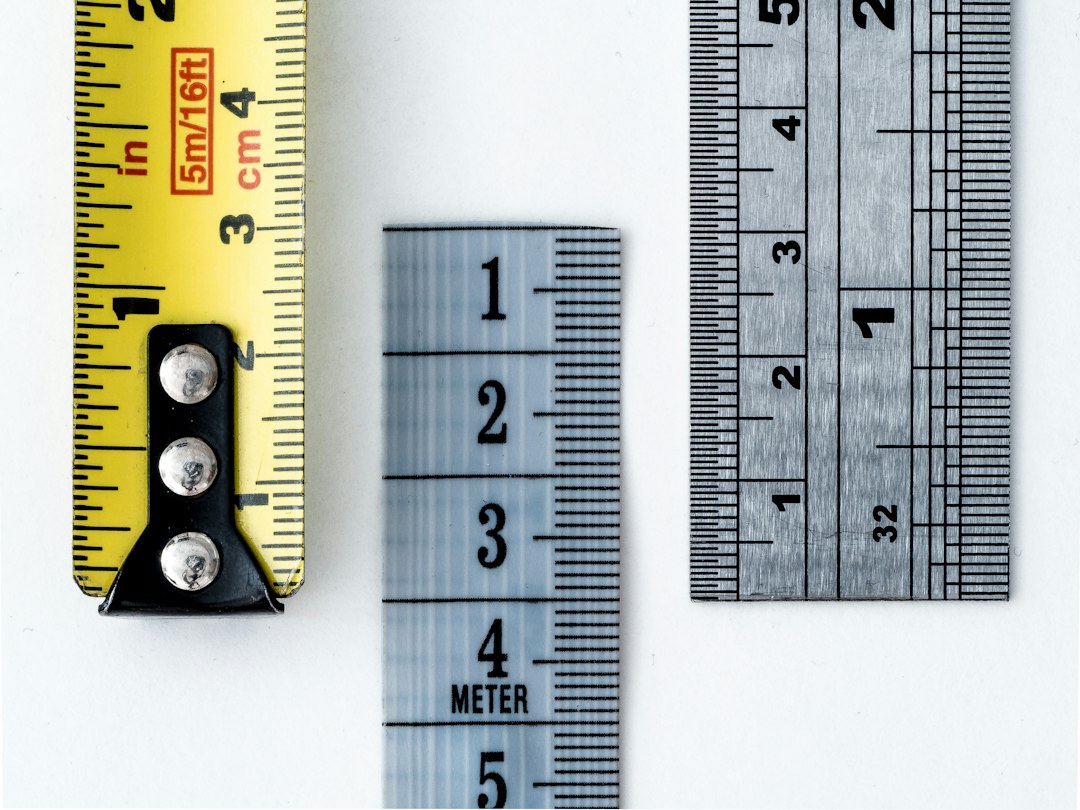
Quick verdict: Metal is usually the safer, longer-lived straightedge for cutting with a craft knife when it has an appropriate protective edge and grip. Plastic is lighter, often transparent and convenient for measuring or pencil work. Never assume an ordinary ruler is an adequate cutting safety guide.
A ruler looks interchangeable until your blade shaves its edge, the markings rub off or your fingers slip into the cutting path. Think about whether you are measuring, drawing or guiding a blade before choosing a material.
At a Glance
| Option | Typical buyer |
|---|---|
| metal rulers | Buy when you need this format’s particular convenience |
| plastic rulers | Buy when the second format solves your main limitation |
metal rulers: Benefits and Limitations
A straight metal edge resists accidental nicks from a craft knife better than most plastic rulers. Non-slip backing and a raised finger guard can be worthwhile upgrades for repeated cutting. Metal can obscure pencil marks below it, and sharp edges on low-quality tools can scratch materials or feel uncomfortable.
Who should buy: People who value its particular advantages. Who should skip: Anyone whose primary use needs the second format’s strengths.
plastic rulers: Benefits and Limitations
Transparent acrylic rulers let you see alignment marks and edges underneath, especially useful for paper layouts and grids. Plastic models are light and inexpensive, but can chip, bend or be shaved by blades. When scoring instead of cutting, check that the ruler stays in place and that the scoring tip will not damage the edge.
Who should buy: Readers whose requirements match the advantages above. Who should skip: Those who would pay more for capabilities they do not use.
Common Mistakes to Avoid
A steel ruler without anti-slip support can slide. A transparent plastic ruler is not a safe substitute for a blade-specific cutting straightedge. Place fingers behind a raised guard, cut away from your body and use a proper cutting mat. Inspect the ruler edge for damage before starting precision work.
Buying Checklist
Check length, accurate zero point, readable metric and imperial markings, edge straightness and anti-slip backing. For knife use, select a product explicitly intended as a cutting straightedge with a finger-safety design. For drawing, good transparency and consistent markings may matter more.
Is the Upgrade Worth It?
Spend extra when your low-cost ruler slips, cracks or wears down, or when repeated craft cuts require better hand protection. For homework and everyday pencil lines, a simple transparent ruler is often enough.
FAQ
Can I cut paper against any metal ruler?
No. Metal alone does not guarantee a safe grip or raised guard. Choose a suitable cutting straightedge and keep fingers out of the blade path.
Is a transparent ruler more accurate?
Not necessarily. Accuracy depends on printing, manufacturing and edge quality; transparency mainly helps alignment.
Related Reading
Our related guide to craft knives and upgrade value covers another useful buying decision.
Final Verdict
Use transparent plastic for visual alignment and low-risk measuring, and a purpose-built metal cutting guide for repeated knife work.
Shop the Options — USA and Canada
Choose your country and the option that fits your needs.
Compare metal rulers — Amazon USA Compare metal rulers — Amazon Canada
Compare plastic rulers — Amazon USA Compare plastic rulers — Amazon Canada
Affiliate disclosure: Scribblet may receive a commission on qualifying Amazon purchases through U.S. and Canadian affiliate links, at no extra cost to the reader. Research-based guidance; no firsthand testing is claimed.