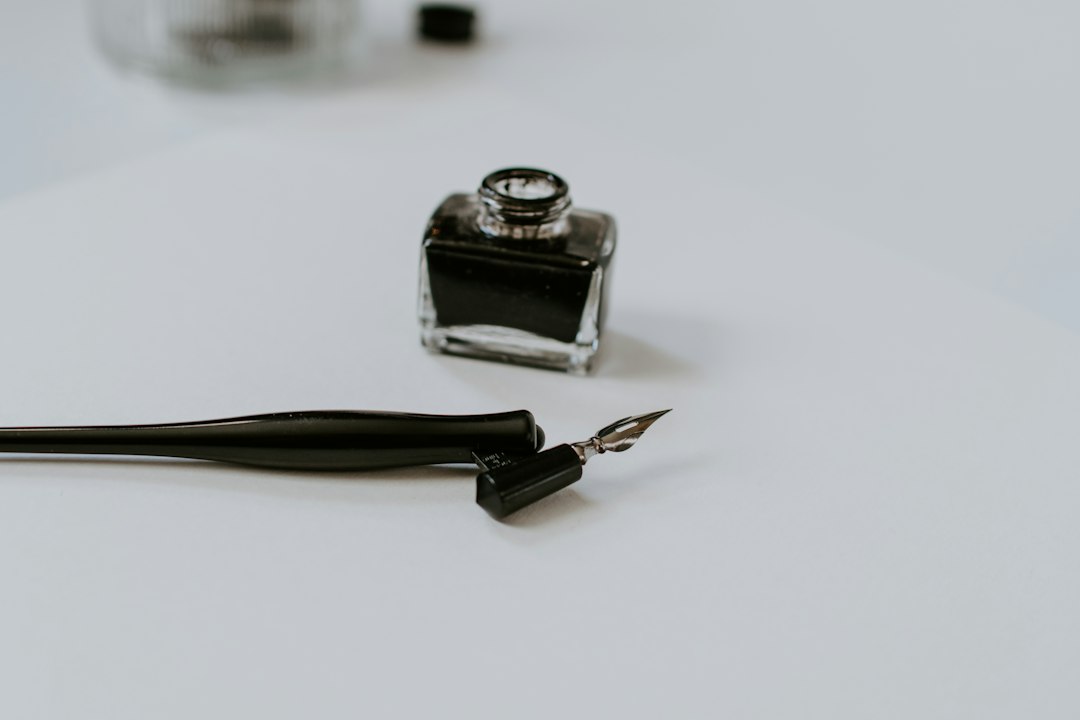
Quick verdict: Washable ink is forgiving for practice and cleanup; waterproof ink is useful when finished lettering must resist later moisture, but ink-to-pen compatibility comes first.
The key to a sensible purchase is matching the product to work you actually do. This comparison focuses on useful differences, limitations and when an upgrade is worth paying for.
At a Glance
| Option | Main consideration |
|---|---|
| waterproof calligraphy ink for dip pens | Best when its specialised advantages fit your routine |
| washable calligraphy practice ink | Better if the alternative workflow matters more |
waterproof calligraphy ink for dip pens: Benefits and Trade-offs
Some waterproof calligraphy inks use pigments, acrylic binders or shellac-like formulations that can leave tough deposits. They may be suitable for certain dip nibs and finished artwork, but could permanently block an ordinary fountain pen feed. Waterproof is a performance claim that varies by product and curing conditions.
Who should buy: People who routinely need these strengths. Who should skip: Those whose primary project favours the other approach.
washable calligraphy practice ink: Benefits and Trade-offs
Washable ink can be simpler to clear from dip nibs and tools, making repeated practice sessions less stressful. It may not survive watercolour washes or damp handling after drying. Do not assume all washable ink is safe on clothing or furniture; test surfaces and use a protective mat.
Who should buy: Readers who need these features regularly. Who should skip: Those who would pay for capabilities they won’t use.
Common Mistakes and Compatibility
Never put dip-pen drawing ink into a fountain pen unless both manufacturers expressly support that use. Read whether an ink needs shaking, drying time or a particular solvent for cleanup.
Buying Checklist
Start with a small bottle clearly marked for your dip pen and the paper you will use. When artwork needs a water-resistant outline, test the dried result with a damp brush on a sample sheet.
Is the Upgrade Worth It?
For practice, easy cleanup is usually worth more than permanent ink. Pay for specialty permanence only when your finished project requires it.
FAQ
Do beginners need both?
Usually not. Start with the option that meets your most frequent need, then add a second tool only when a specific limitation appears.
Is expensive always better?
No. Exact material, paper or tool compatibility and ease of use can matter more than the price tag. Check the maker’s current specifications for individual products.
Related Reading
See our related buying guide for another useful comparison.
Final Verdict
Washable ink is forgiving for practice and cleanup; waterproof ink is useful when finished lettering must resist later moisture, but ink-to-pen compatibility comes first. A less expensive item that works well is a better buy than a premium extra you’ll rarely use.
Shop the Options — USA and Canada
Choose your country and preferred option.
Shop waterproof calligraphy ink for dip pens — Amazon USA Shop waterproof calligraphy ink for dip pens — Amazon Canada
Shop washable calligraphy practice ink — Amazon USA Shop washable calligraphy practice ink — Amazon Canada
Affiliate disclosure: Scribblet may earn a commission from qualifying Amazon USA or Canada purchases at no extra cost. This is researched guidance rather than a claim of firsthand testing.