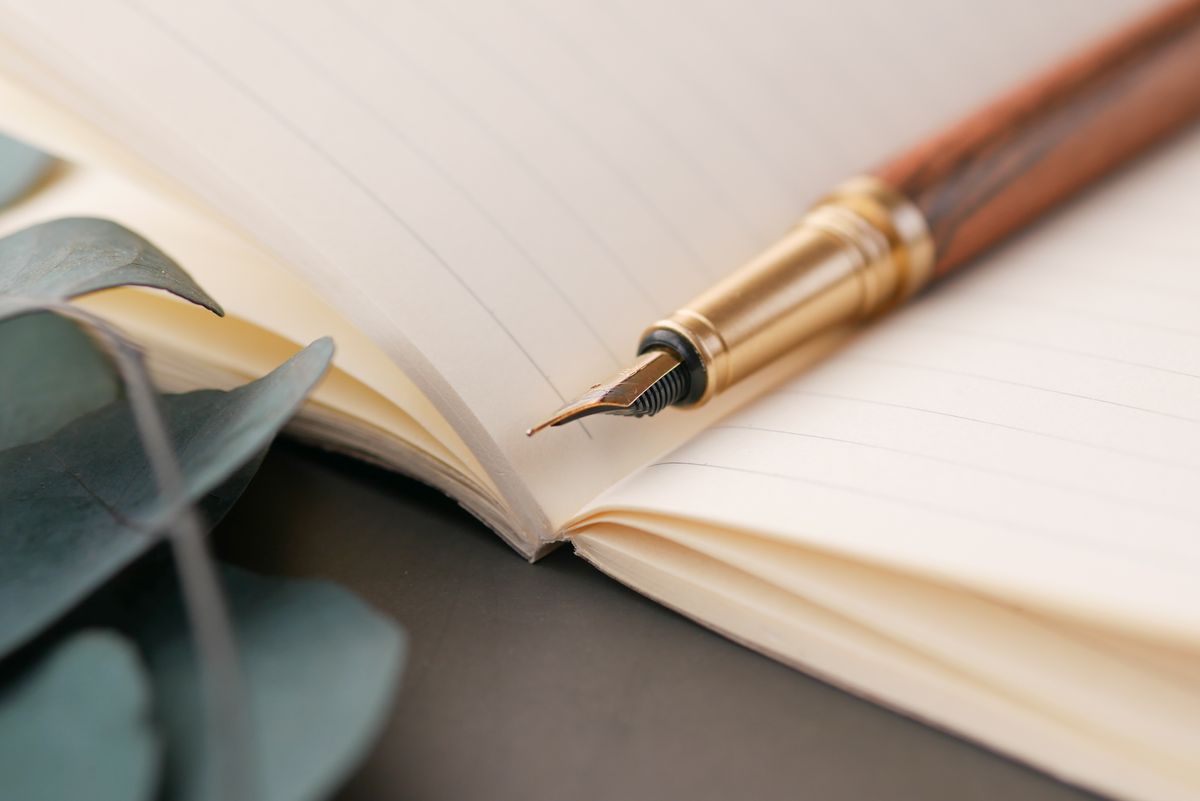
Quick verdict: Fine nibs usually suit smaller handwriting and compact notebooks; medium nibs often feel smoother and show ink colour more clearly on suitable paper.
Choosing a sensible option means comparing how you’ll actually use it, not simply the number of items in a bundle. Below are the practical differences, where extra spending helps, and when the simpler choice is enough.
What Is the Real Difference?
Nib labels are not universal measurements. One brand’s fine may approach another brand’s medium, and the same nib width can look different with a wetter ink. Paper absorbency, writing pressure and nib tuning also affect line width and feel.
Which One Fits Your Work?
A fine nib leaves more room between letters in a pocket notebook. A medium nib places more ink on the page and may make shading easier to see, but on absorbent paper it can feather or show through. Neither choice is automatically better for left-handed writers; writing angle and ink drying time matter.
When Is an Upgrade Worth the Money?
Start with a fine nib if your lettering is small or your paper is ordinary office stock. Choose medium if you write larger and enjoy a more generous line. Try both on your usual notebook paper before buying a second pen.
What Should You Avoid?
Never force a fountain-pen nib by pressing harder to make it write. Check cartridge or converter compatibility and use ink formulated for fountain pens, not dip-pen or India ink.
Try This Before Ordering
/fountain-pen-cartridges-vs-bottled-ink/
What to Check on the Product Page
Confirm exact dimensions, included quantities, compatibility, return terms and the manufacturer’s care instructions. Product names alone can hide important differences. A low price is not a bargain if the material doesn’t suit the project, and a premium version isn’t better when its features go unused.
Canadian and U.S. listings can vary in pack sizes, shipping charges and availability. Compare the specifications of the exact listing in your country rather than assuming matching search terms return identical products.
Related Reading
For more on adjacent tools and materials, see our related Scribblet guide.
Final Verdict
Fine nibs usually suit smaller handwriting and compact notebooks; medium nibs often feel smoother and show ink colour more clearly on suitable paper. Start with the smaller or simpler option when you’re still learning your preferences; upgrade after you identify a recurring limitation in your current supplies.
Browse Options — USA and Canada
These buttons open Amazon search results, not a claim that any one listing has been personally tested or independently endorsed.
Compare fine nib fountain pen — Amazon USA Compare fine nib fountain pen — Amazon Canada
Compare medium nib fountain pen — Amazon USA Compare medium nib fountain pen — Amazon Canada
Affiliate disclosure: Scribblet may earn a commission from qualifying Amazon purchases, at no extra cost to you. This comparison is based on product characteristics and buying considerations, not firsthand testing.