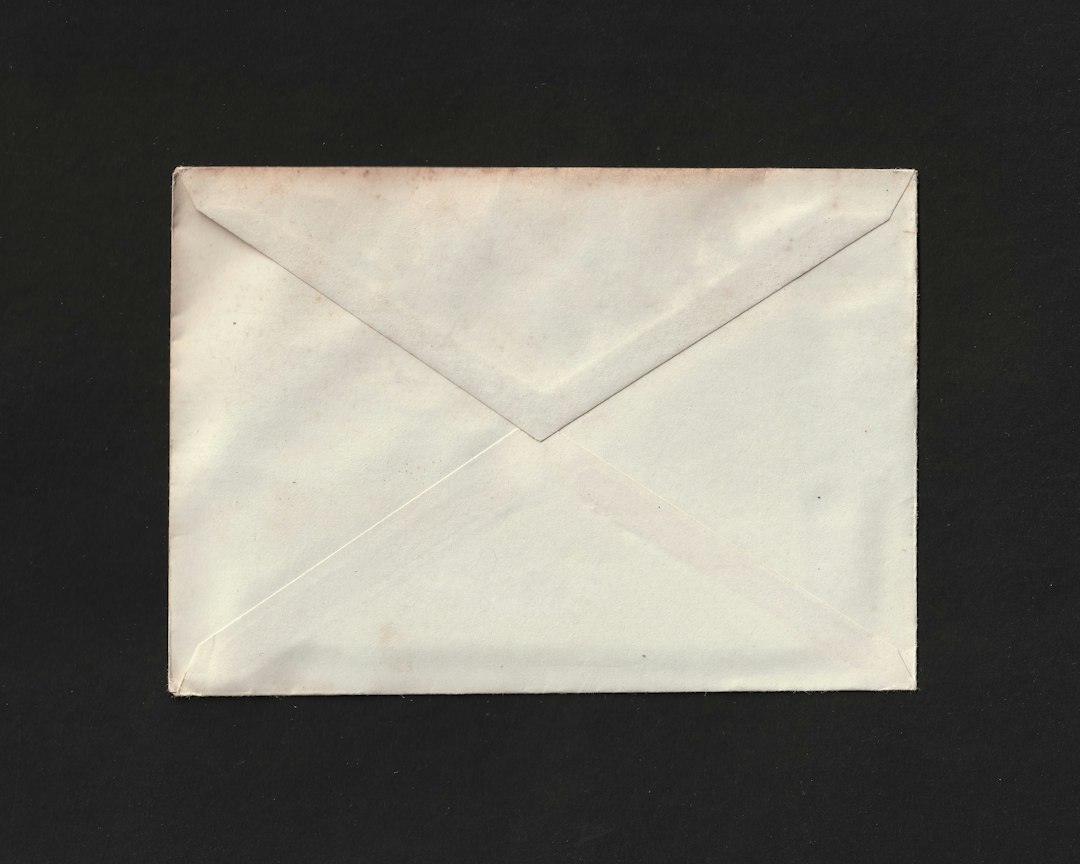
Handmade paper envelope illustration. Illustrative stock photograph; not a photo of a tested product.
Quick verdict: Printable templates cost less for occasional envelopes; a punch board can save measuring time when you make many sizes repeatedly.
Choosing the right tool starts with the job, not a marketing claim. This guide compares use cases, limitations and value rather than pretending we have carried out hands-on testing. Confirm specifications and availability with the seller before purchasing.
At a Glance: Which Is Better?
| Choice | Best reason to buy | When to skip it |
|---|---|---|
| envelope punch board craft | Occasional gift-card sender: Print or trace a single template first and fit it around the actual card. | If the alternative better fits your workflow |
| printable envelope templates | Regular stationery seller: A punch board is worth pricing if repeatable envelopes save substantial hands-on time. | If you would pay more for features you seldom use |
envelope punch board craft: Strengths and Trade-offs
A punch board uses marked guides and a punch to shape and score flaps. Verify its chart supports the finished envelope dimensions you need, not just the size of the unfolded paper.
Who should buy: Occasional gift-card sender. Print or trace a single template first and fit it around the actual card. Who can skip: someone whose work needs the other option’s key advantage.
Check U.S. options on Amazon | Check Canadian options on Amazon
printable envelope templates: Strengths and Trade-offs
A printable template works with a ruler, scissors or craft knife and a scorer. It needs no specialist gadget, but repeated tracing can be slow and less consistent.
Who should buy: Regular stationery seller. A punch board is worth pricing if repeatable envelopes save substantial hands-on time. Who can skip: an occasional user who gets the same result with simpler equipment.
Check U.S. options on Amazon | Check Canadian options on Amazon
What to Check Before Spending
Check the finished envelope against postal dimensions and thickness requirements, especially if you plan to mail it.
- Fit: Make sure the size, paper type and compatible accessories match your project.
- Results: Test with a small sample before buying in bulk or working on irreplaceable originals.
- Running cost: Include refills, replacement parts, consumables and storage, not only the sticker price.
- Practicality: Look at setup time, cleanup, safety and space required in your actual workspace.
- Retail details: Check the current listing, exact included items, warranty and return conditions in your country.
Is the Upgrade Worth It?
Pay more only if the extra capability solves a repeat problem. If you use the item once a month, a simpler alternative or a single small pack can be the better value. If it prevents wasted paper or saves time on many projects, the higher upfront price may make sense. No product wins for every reader.
Common Mistakes to Avoid
- Choosing solely from a staged product photograph instead of reading specifications.
- Ignoring paper thickness, surface compatibility or finished dimensions.
- Assuming professional-grade tools automatically improve beginner work.
- Buying the largest kit before trying one practical project.
- Forgetting consumable costs or manufacturer safety directions.
Quick Buying Checklist
Write down what you make most often, the material you use, how frequently you work and your space limit. Compare two current listings against that list. Read the supplied instructions and a range of verified owner experiences for recurring problems, while treating isolated reviews cautiously.
Frequently Asked Questions
Which is better for beginners?
The easier option for the project you actually plan to complete, with fewer extra parts or steps. A cheap tool used confidently is a better purchase than an expensive one left in a drawer.
Do I need a premium version?
Usually not until you have identified a problem a basic version cannot solve. Prioritize reliable compatibility, clear instructions and replaceable consumables if needed.
Can I use the tool with any kind of paper?
No. Paper weight, coating, finish and fibre strength affect results. Check the precise product recommendations, and test an inconspicuous scrap first.
Related Reading
For a complementary guide, see our related stationery buying advice.
Final Verdict
Printable templates cost less for occasional envelopes; a punch board can save measuring time when you make many sizes repeatedly. The sensible buy is the one you will use repeatedly, not necessarily the most expensive.
Affiliate disclosure: Scribblet may earn from qualifying Amazon purchases through the clearly marked U.S. and Canadian links, at no extra cost to you. We have not conducted a hands-on comparison of these specific products.