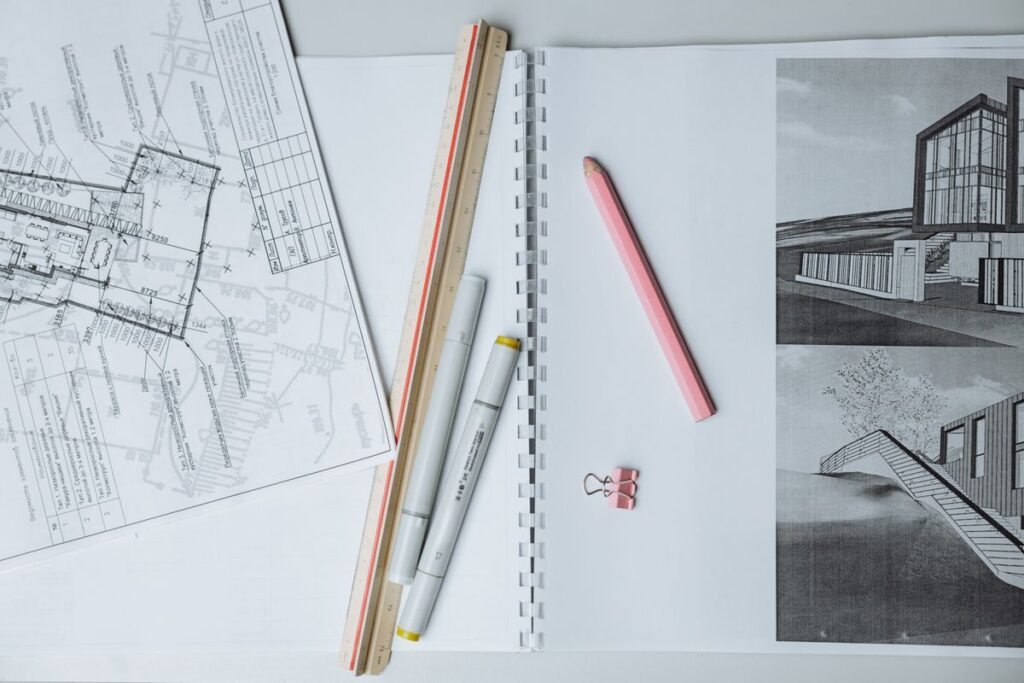
Brush Lettering Practice Paper vs Ordinary Printer Paper: Worth the Upgrade?
A smooth practice pad is often easier on flexible brush tips, but quality printer paper is adequate for preliminary shapes and layout exercises.
A smooth practice pad is often easier on flexible brush tips, but quality printer paper is adequate for preliminary shapes and layout exercises.
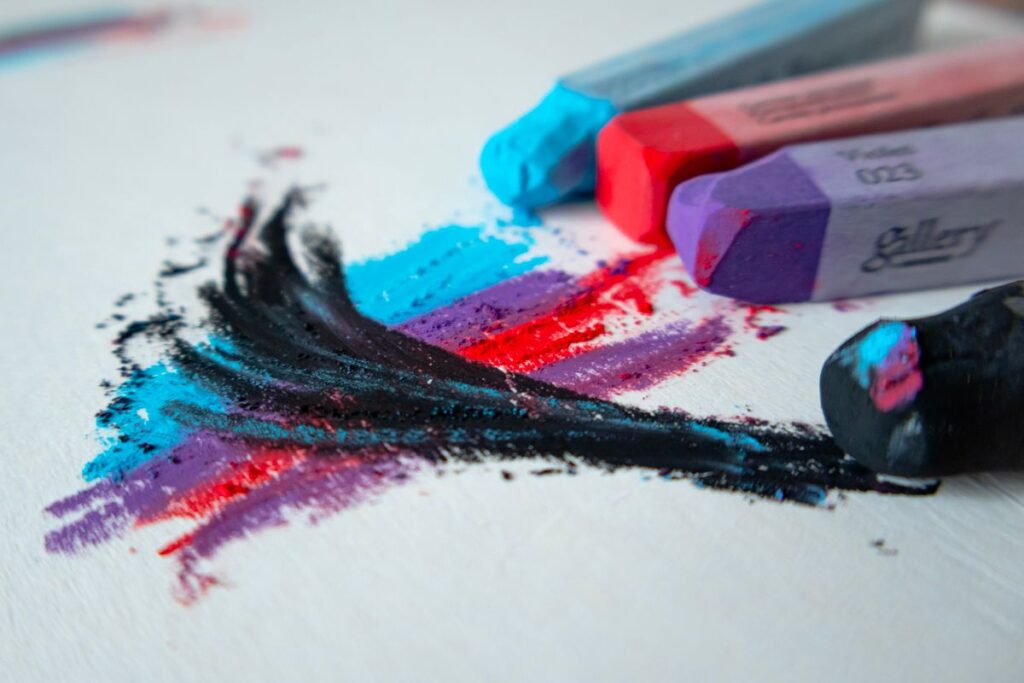
Pastel pencils simplify fine marks and controlled edges; sticks cover broad areas and blend large tones more quickly.
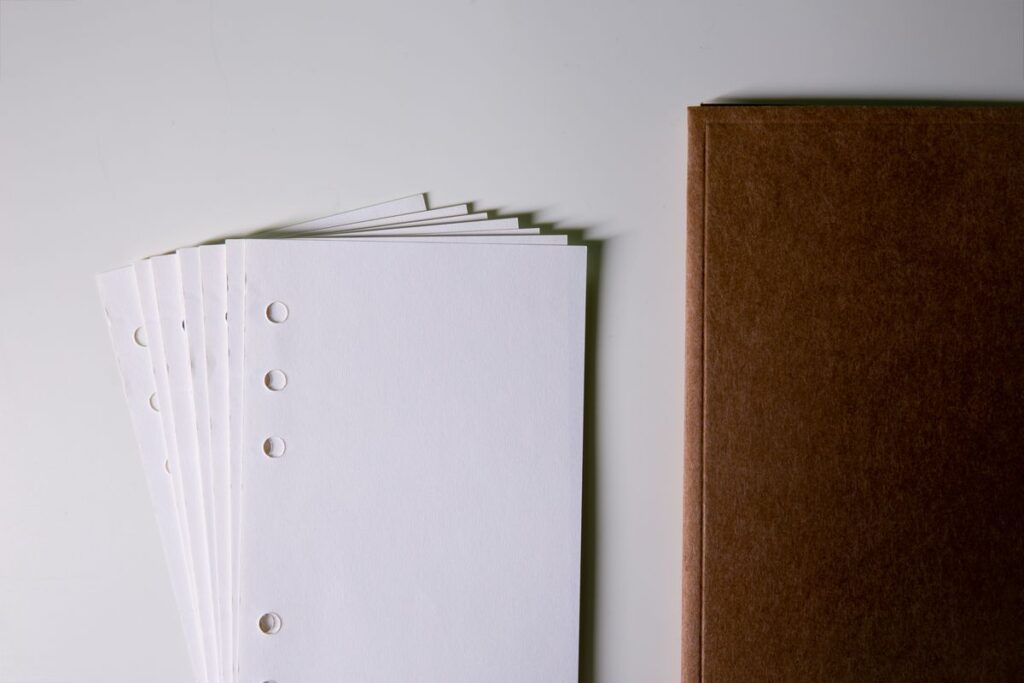
Loose-leaf pages win for rearranging and combining subjects; bound notebooks keep a fixed chronological record with fewer loose pieces.
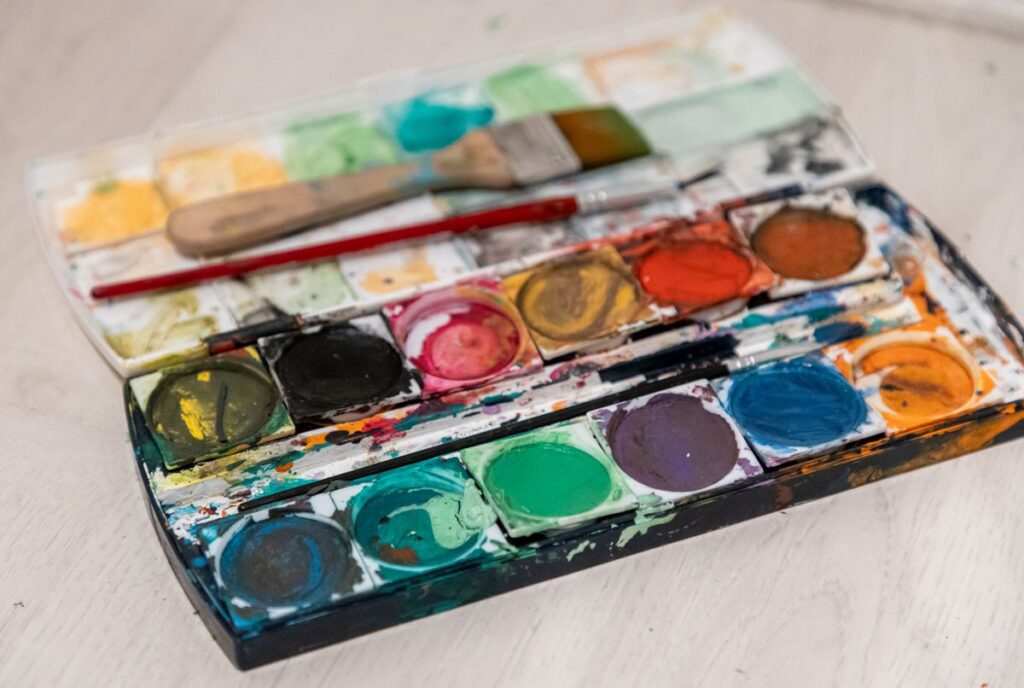
A curated paint set is a sensible entry point, while individual tubes let frequent painters replace only the colours they use.
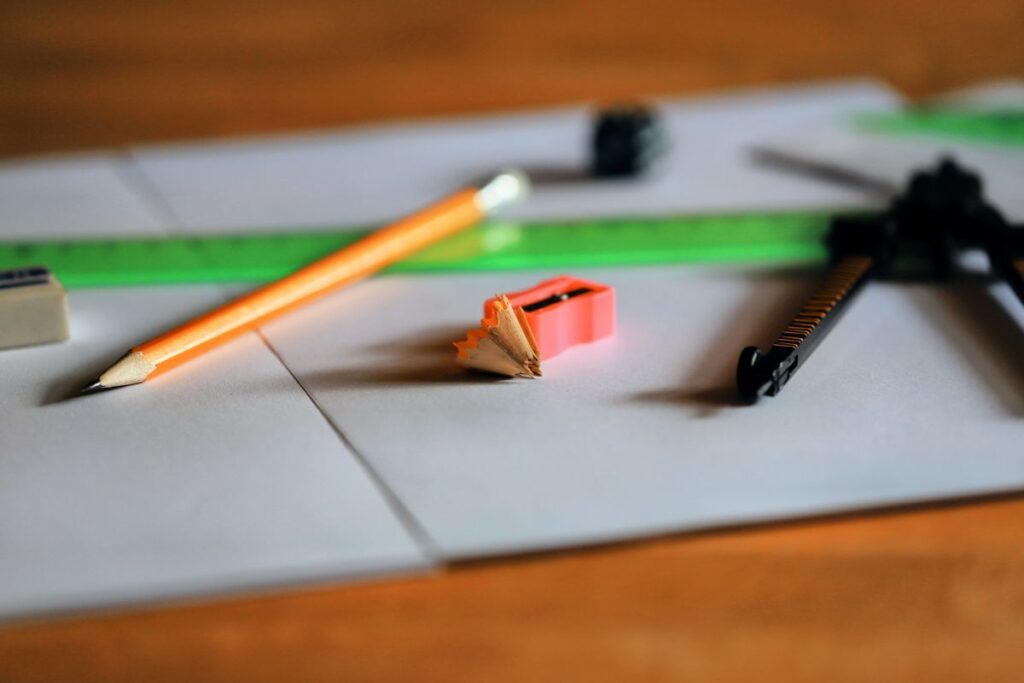
Wood-cased drawing pencils offer the easiest route to broad shading and varied grades; mechanical pencils are strong for consistent small details.
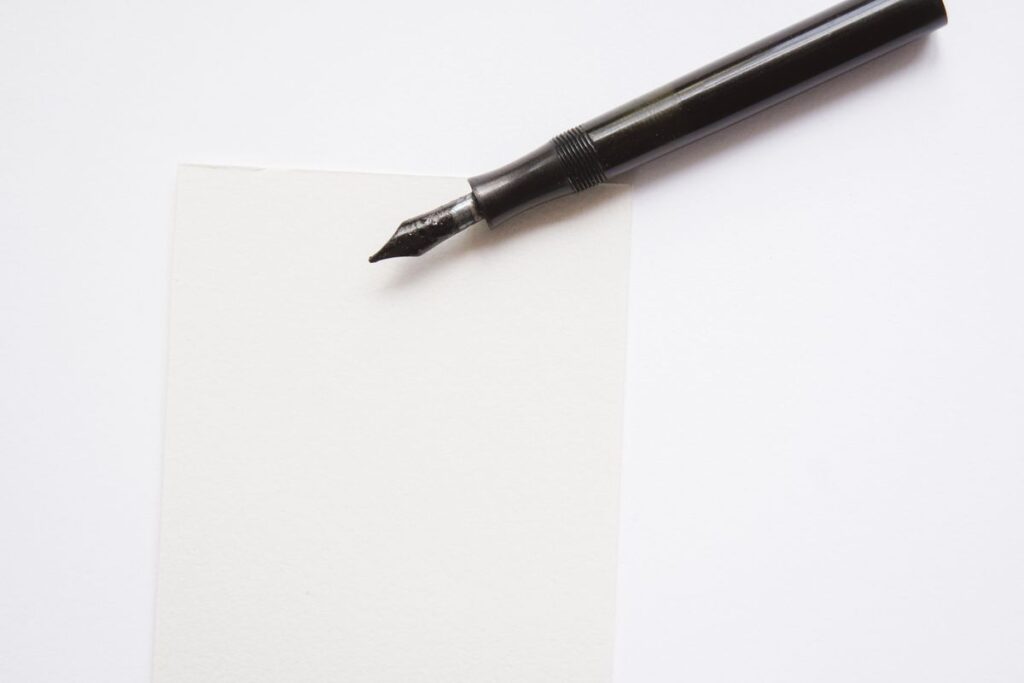
Cartridges win for convenience; bottled ink can offer greater choice and less packaging for frequent writing.
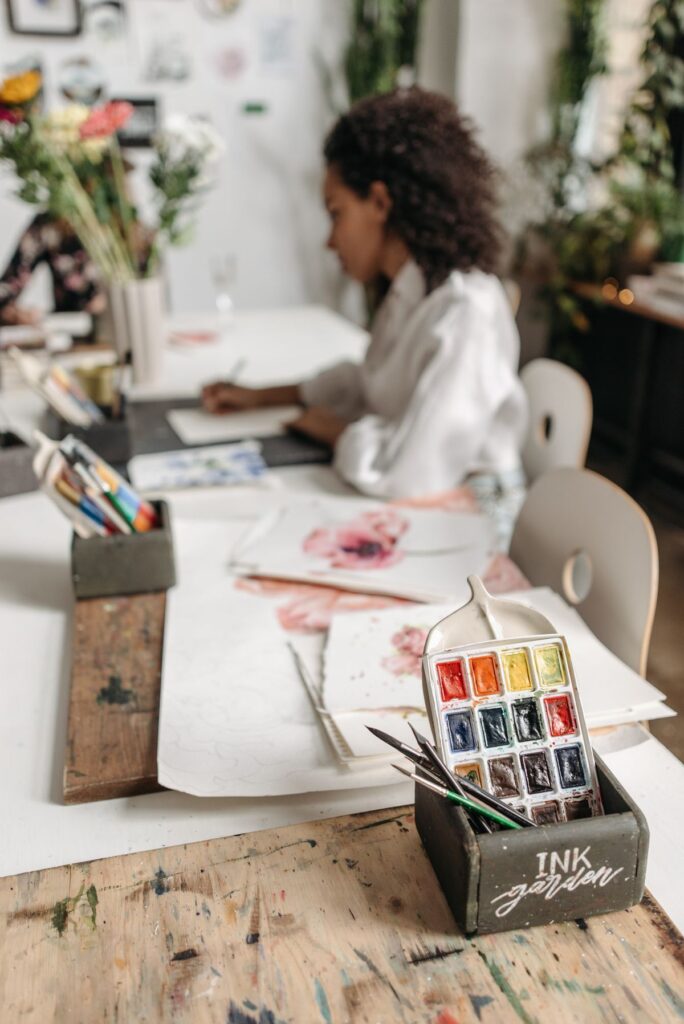
Sketchbooks simplify daily practice; loose sheets are better when you want a flat, replaceable surface for finished work.
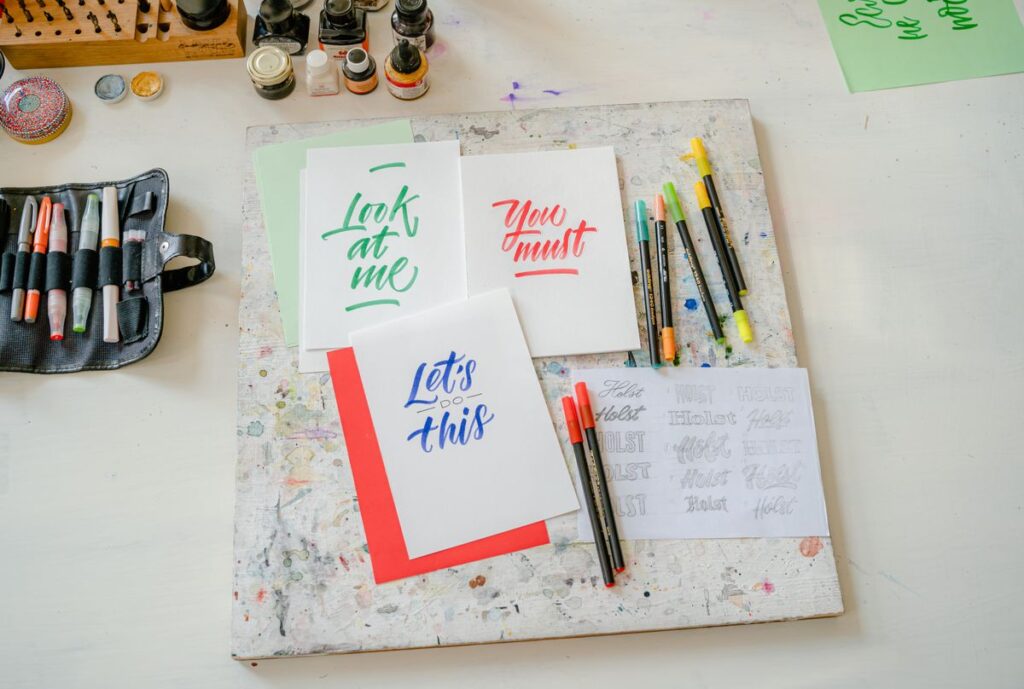
Start with fineliners for controlled letterforms; switch to brush pens when variable stroke width is part of your style.
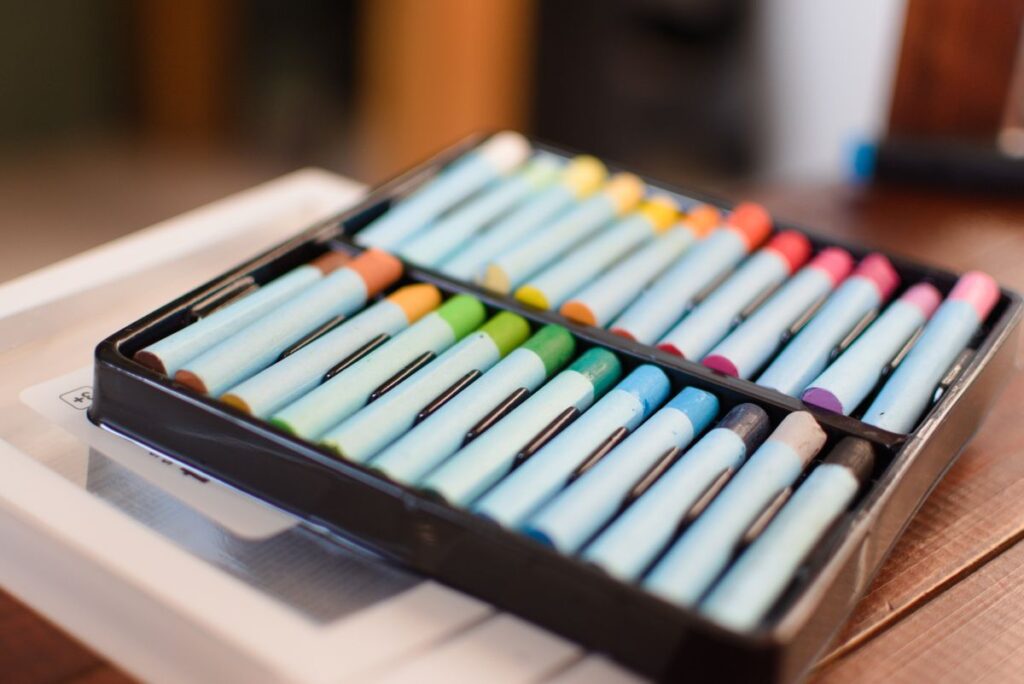
Soft pastels favour powdery blending and delicate tonal layers; oil pastels suit bolder, creamier marks.
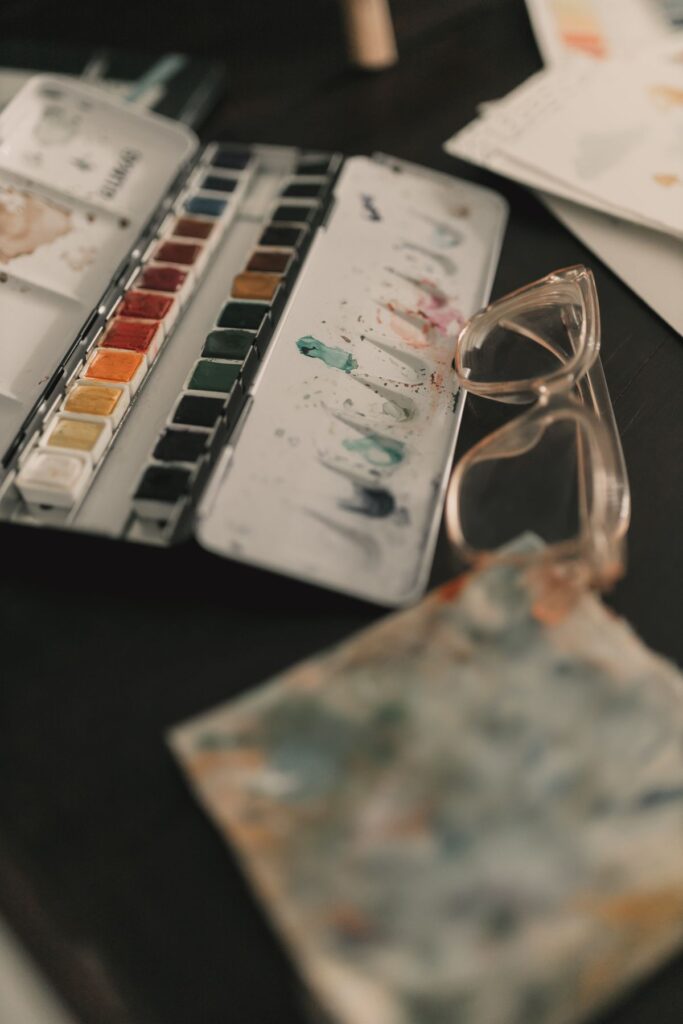
Masking fluid preserves genuine paper white; gouache is more forgiving when adding an opaque highlight afterward.