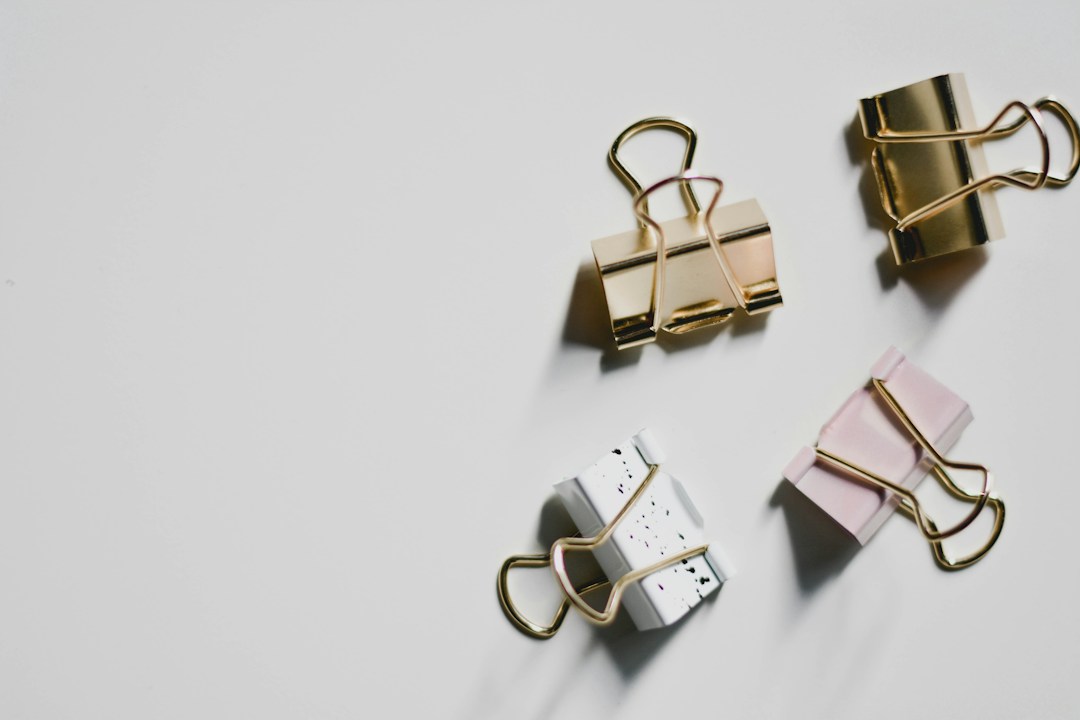
Quick verdict: Choose foldback binder clips for compact, reusable bundles you need to add to and remove from frequently. Choose a traditional bulldog letter clip for thicker stacks, loose paperwork or a display board where its wide jaws are convenient. Neither is always safer for valuable paper: concentrated pressure can leave marks, so protect fragile originals with archival sleeves instead.
These two inexpensive desk tools are often lumped together. They both grip paper without punching holes, but differ in body shape, handle arrangement and how easily they fit inside a folder. The smart buy depends on stack thickness and whether you’ll be carrying or displaying the documents.
Binder vs Bulldog Clips: Quick Comparison
| Factor | Foldback binder clip | Bulldog letter clip |
|---|---|---|
| Best for | Loose report bundles and changing paperwork | Bulkier stacks and display/organizing uses |
| Handles | Two wire handles that fold back | Varies; commonly wide metal gripping handles |
| Profile | Compact with handles folded | Often larger and more visible |
| Drawback | Small sizes hold fewer sheets | Bulk and spring pressure can be inconvenient |
Best Everyday Choice: Foldback Binder Clips
Foldback clips have a spring-steel body and two lever arms, so it’s easy to open the jaws and clamp a pile of pages. When the handles fold down, the clip can sit reasonably flat in a desk drawer or travel folder. Choose small clips for receipts and medium clips for a report draft; oversized clips can make a thin page bundle awkward to file.
For a concrete reference, Rapesco specifies that its 19 mm foldback clips hold up to 75 sheets and uses a steel body with removable handles. That’s a capacity for the named product under the manufacturer’s conditions—not a universal rule for all 19 mm clips or paper thicknesses. See official specifications.
Who should buy: Office workers, students and freelancers regularly sorting paperwork. Who should skip: People displaying many pages on a board or anyone storing delicate archival paper long-term.
Best for Bigger Stacks: Bulldog Letter Clips
Traditional bulldog clips have a strong wide jaw and are common in stationery trays, studios and print shops. They’re convenient for grouping large stacks, hanging papers on a suitable hook or presenting materials on a noticeboard. The extra bulk may be unnecessary in a compact binder.
Rapesco lists its 60 mm traditional letter clip as holding up to 110 sheets, while its 70 mm model is listed for up to 130 sheets. These figures show why you need to compare the exact model: size and manufacturer design affect rated capacity. Read the maker’s 60 mm specification.
Who should buy: Crafters managing substantial work stacks, classrooms hanging handouts or home offices bundling project materials. Who can skip: Anyone carrying a few thin pages in a slim folder or looking for the least bulky tool.
How Many Sheets Can They Really Hold?
Capacity claims usually assume a typical paper grade. A stack of heavy cardstock is thicker than the same number of ordinary office sheets, and coatings or folded pages change the grip. Rather than buy by a headline number alone, estimate actual stack thickness and leave room for secure insertion and removal.
Don’t force a spring clip past its intended opening. If it bows sheets, slips under its own weight or leaves strong pressure marks, use a larger size or divide the stack.
Which Is Better for Crafts and Journaling?
Foldback clips are handy for holding a journal open temporarily, sorting reference pages or bundling die cuts. Bulldog clips can hold thicker sketching sheets while you work, but protect the paper with a clean scrap card under the jaws. Neither is a replacement for a proper binding system or an archival document enclosure.
Buying Checklist
- Check jaw width: 19 mm, 25 mm and 60 mm are not equivalent products.
- Check actual capacity: Use manufacturer sheet counts as comparisons, not guarantees for every paper.
- Assess opening pressure: Frequent use calls for comfortable handles, particularly when many clips are opened daily.
- Check surfaces: Sharp edges or rough coatings can mark delicate pages.
- Count the useful sizes: A mixed set makes sense only if you’ll use both small and large clips.
- Compare total cost: Look at quantity, return terms and delivery costs in Canada or the U.S.
Is It Worth Paying More?
Standard black steel binder clips are inexpensive and sufficient for most everyday paperwork. Premium coloured finishes or decorative shapes can be fun, but they don’t automatically improve capacity. A well-made heavy-duty letter clip may be worth more if you regularly handle thick stacks; otherwise, an assorted binder-clip pack is often better value.
Mistakes to Avoid
- Buying the largest clip for a few pages, which can crease the stack.
- Using clips for long-term storage of irreplaceable photographs or documents.
- Assuming two manufacturers’ clip sizes have identical capacities.
- Leaving a clip where its metal could scratch screens or finished desk surfaces.
FAQs
Are bulldog and binder clips the same thing?
Names can overlap in everyday retail listings, but foldback binder clips typically use a triangular spring body and folding wire handles, while traditional bulldog letter clips use a broader metal clamp form.
Can these clips replace staples?
For temporary, frequently changed stacks, yes. For permanent binding or documents that must remain in strict order, use a more appropriate fastening system.
Will clips damage photos?
They can dent, abrade or react with sensitive surfaces. Choose archival-safe sleeves or corners for treasured prints instead.
Related Reading
See our heavy-duty stapler guide and archival photo sleeve comparison.
Final Verdict
Foldback binder clips win for everyday sorting and slim storage. Bulldog letter clips earn their place for heavy bundles or display tasks. Match the opening and jaw style to your project rather than paying extra for appearance.
Affiliate disclosure: Scribblet may earn from qualifying Amazon USA and Canada purchases, without added cost to readers. This is research-based guidance; we have not hands-on tested the specific linked products.