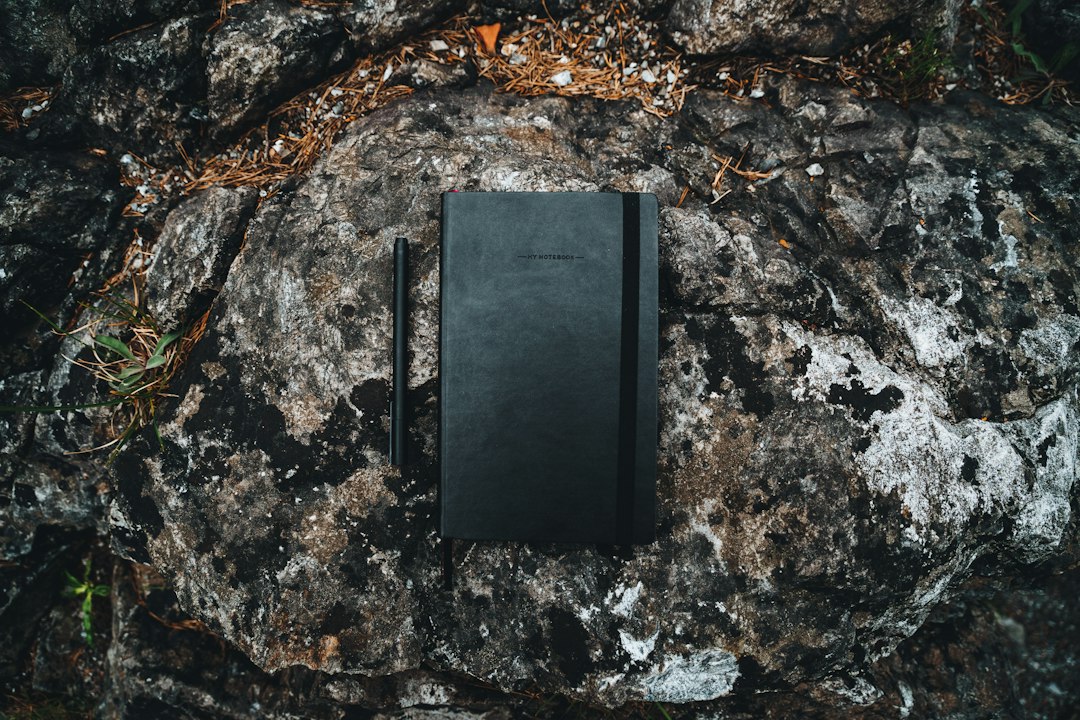
Illustrative photo by Mille Sanders / Unsplash. Not a photograph of the products compared.
Quick verdict: Choose a pocket-sized Rite in the Rain top-spiral if you actually write in the rain or with wet gloves. Choose Field Notes Expedition if waterproof, tear-resistant synthetic pages and pocketability matter most. For larger forms or field diagrams, the Rite in the Rain side-spiral is a more useful format. A conventional notebook is still the better-value choice for a dry office.
Waterproof paper is not the same thing as waterproof writing. The specific pen matters. We used the manufacturers’ published materials and compatibility notes—not invented first-hand tests—to make these selections.
Quick Comparison
| Notebook | Best use | Consideration |
|---|---|---|
| Rite in the Rain Top-Spiral 3 × 5 | Best for wet work | Gel pens and fountain pens are poor choices on this paper |
| Field Notes Expedition 3-Pack | Best waterproof synthetic pages | Nonporous pages favour pencil, ballpoint, or fine-tip permanent marker |
| Rite in the Rain Side-Spiral 4.625 × 7 | Best for longer field notes | Bulkier for a shirt pocket than 3 × 5 format |
| Rite in the Rain Soft Cover 3.5 × 5 | Best for carrying all day | Not as easy to open flat and tear out individual sheets as a top-spiral notebook |
Who Should Buy — and Who Should Skip
Buy weatherproof pages if you work outdoors, record wildlife sightings, survey locations, hike regularly, or keep emergency notes where drizzle and damp hands are common. Skip the premium if your notes stay inside a bag or on a desk: ordinary paper is less demanding about pen choice and often cheaper. If you need waterproof digital records, a paper notebook alone is not a backup strategy.
1. Rite in the Rain Top-Spiral 3 × 5 — Best for wet work
Why choose it: Weather-resistant coated wood-based paper; works wet with pencil or pressurized all-weather pen. This is a format-first recommendation: pick the size and binding based on how you take notes, rather than assuming the most expensive version writes better.
Downside: Gel pens and fountain pens are poor choices on this paper. Check the exact product format before buying; cover colours, page rulings and pack quantities can vary by listing.
Who benefits: Surveyors, hikers and people jotting short notes while standing outdoors. Official manufacturer information.
2. Field Notes Expedition 3-Pack — Best waterproof synthetic pages
Why choose it: Yupo synthetic, tear-resistant waterproof pages and compact 3.5 × 5.5-inch format. This is a format-first recommendation: pick the size and binding based on how you take notes, rather than assuming the most expensive version writes better.
Downside: Nonporous pages favour pencil, ballpoint, or fine-tip permanent marker. Check the exact product format before buying; cover colours, page rulings and pack quantities can vary by listing.
Who benefits: Travellers, campers and notebook collectors who prefer small stitched books. Official manufacturer information.
3. Rite in the Rain Side-Spiral 4.625 × 7 — Best for longer field notes
Why choose it: More writing room with the same coated all-weather paper approach. This is a format-first recommendation: pick the size and binding based on how you take notes, rather than assuming the most expensive version writes better.
Downside: Bulkier for a shirt pocket than 3 × 5 format. Check the exact product format before buying; cover colours, page rulings and pack quantities can vary by listing.
Who benefits: Outdoor workers documenting longer observations or sketching diagrams. Official manufacturer information.
4. Rite in the Rain Soft Cover 3.5 × 5 — Best for carrying all day
Why choose it: Flexible bound form and all-weather paper for outdoor checklists. This is a format-first recommendation: pick the size and binding based on how you take notes, rather than assuming the most expensive version writes better.
Downside: Not as easy to open flat and tear out individual sheets as a top-spiral notebook. Check the exact product format before buying; cover colours, page rulings and pack quantities can vary by listing.
Who benefits: Walkers and field researchers who carry a small notebook continuously. Official manufacturer information.
Wet Paper Versus Waterproof Pages: The Distinction That Matters
Rite in the Rain says its all-weather coated paper sheds water and stays usable with a standard pencil or an all-weather pressurized pen even when wet. It cautions against using gel pens, highlighters and fountain pens, whose water-based inks can bead or wash off. A conventional ballpoint or permanent marker is generally for dry-page use. Field Notes says Expedition uses waterproof Yupo synthetic paper; because the sheet is nonporous, pencil, ballpoint or a fine-tip Sharpie works better than many liquid inks. Rite in the Rain compatibility guide and Field Notes Expedition specification explain the differences.
Choosing Your Notebook
Size and binding
Top-spiral 3-by-5-inch notebooks are handy for one-handed short lists, quick site measurements and notes made while standing. Side-spiral notebooks leave more room for diagrams; flexible softcover editions slide into jacket pockets without a bulky coil. Expedition’s 3.5-by-5.5-inch stitched format is small but gives less space than a full-size field book.
Writing instrument
Pair a pencil with damp paper when practical. For ink in wet conditions, choose a manufacturer-approved pressurized weather pen. Do not assume that an expensive gel pen or an archival fineliner will work better on a wet coated page. Test a spare page with your preferred pen before relying on it for important notes.
Longevity and storage
Waterproof describes resistance to wet conditions, not immunity from tearing, misplacement, sunlight or heat. Rite in the Rain distinguishes its recyclable coated wood-based sheets from synthetic plastic products. Field Notes Expedition prioritizes waterproof and tear-resistant Yupo pages. Put finished notes somewhere dry and make copies of irreplaceable information.
Is Paying More Worth It?
Yes for frequent rain exposure, outdoor inspections or canoe trips where a conventional pad could turn to pulp. No for most home desks and classrooms; spend on a comfortable pen and useful notebook layout instead. If you buy only one, start with a small top-spiral notebook and a pencil before upgrading to a weatherproof pen.
Frequently Asked Questions
Can I use a gel pen on Rite in the Rain paper?
The manufacturer advises against gel and fountain pens, especially for wet conditions.
Is Field Notes Expedition ordinary paper?
No. Field Notes specifies waterproof and tear-resistant Yupo synthetic sheets, which behave differently from absorbent paper.
Are all waterproof notebooks recyclable?
No. Recyclability varies with the substrate. Rite in the Rain describes its coated wood-based paper as recyclable; Field Notes Expedition uses a synthetic polypropylene-based sheet.
Should I choose ruled, grid or plain pages?
Ruled pages suit quick logs, grid pages suit measurements and rough diagrams, and plain pages suit freeform sketches. Check the actual page ruling when ordering.
Related Reading
For indoor note-taking, see our sketchbook buying guide. For long-lived ink on suitable dry paper, see our archival pens comparison.
Affiliate disclosure: As an Amazon Associate, Scribble-It may earn from qualifying purchases. Links open Amazon search results, not verified item listings; check current stock and exact model before ordering.
Final Verdict
Best for actual wet writing: Rite in the Rain top-spiral 3 × 5 with pencil or a compatible all-weather pen. Best synthetic pocket notebook: Field Notes Expedition. Best for larger field diagrams: Rite in the Rain side-spiral. The right pen matters just as much as the pages.