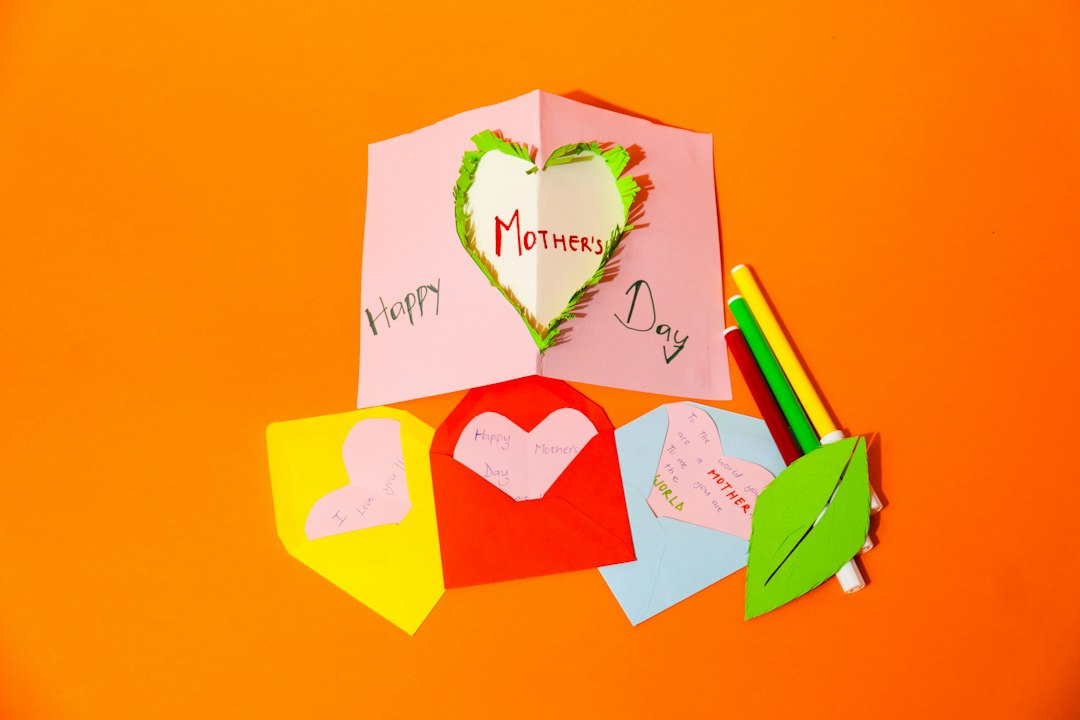
Illustrative photograph by Christian Agbede / Unsplash, not a scoring tool product photo.
Quick verdict: For a few handmade greeting cards, a six-inch bone folder plus a ruler is inexpensive and versatile. If you make dozens of cards, repeated gate-folds or paper boxes, a dedicated grooved scoring board such as Scor-Pal speeds up identical, straight fold lines. Do not buy the biggest board before checking whether your projects actually use 12-inch sheets.
This is a researched equipment comparison; no hands-on testing is claimed. The relevant facts come from the toolmakers’ product specifications and folding instructions.
Quick Comparison
| Tool | Best for | Trade-off |
|---|---|---|
| Lineco six-inch bone folder | Occasional creasing and burnishing | No built-in ruler guide |
| Scor-Pal Eighths 12-inch board | Repeat card layouts and larger sheets | Desk space and price |
| Scor-Buddy smaller board | Compact card station | Less room for large box designs |
| Plastic scoring tool and ruler | Low-cost first projects | Precision depends on technique |
| No scoring tool | Very thin paper | Thick cardstock can crack at folds |
1. Lineco Bone Folder — Best for Beginners
Lineco lists its Books by Hand genuine bone folder as a six-inch tool for scoring, creasing, folding and burnishing. It is compact enough to keep beside your cutting mat and useful for more than one paper project. The smooth edge helps define a fold, but you still need a straight guide and a firm work surface to locate the fold line precisely.
Buy if: you make a handful of folded cards, envelopes or handmade journals. Skip if: most of your work consists of repeatable parallel creases; a board may save more measuring time. Use light pressure first, especially on printed cardstock.
Check U.S. options on Amazon | Check Canadian options on Amazon
2. Scor-Pal Eighths — Best for Frequent Cardmaking
The Scor-Pal manufacturer listing describes a 12-by-12-inch textured scoring surface with fences on three sides and grooves at measured intervals. With a fence holding the sheet square, you can make several parallel scores without repeatedly setting up a ruler. That convenience matters when preparing invitations in batches, accordion cards or boxes.
Buy if: you regularly make sets of cards or folded paper objects. Skip if: you mostly fold ordinary letter paper once a month. Check storage size and metric versus imperial marking preferences before ordering.
Check U.S. options on Amazon | Check Canadian options on Amazon
3. Scor-Buddy — Best for Small Desks
The Scor-Pal FAQ distinguishes the 7-by-7-inch Scor-Buddy from its 12-by-12-inch Scor-Pal board. The smaller surface fits common compact card projects and is easier to put away, but it may not accommodate larger scrapbook sheets or boxes without repositioning.
Buy if: standard greeting cards are your main craft and desk space is limited. Skip if: you frequently handle full 12-inch scrapbook paper or need long scores.
Check U.S. options on Amazon | Check Canadian options on Amazon
4. Plastic Scoring Tool and Steel Ruler — Best Cheap Alternative
A rounded scoring stylus guided against a firm ruler can be enough to mark folds for occasional cards. Work on a suitable scoring mat rather than gouging the tabletop, and hold the ruler with fingers out of the stroke path. A metal ruler does not magically give accurate results: the scoring tip must stay in contact, and rushing can send the line crooked.
Buy if: you want to try cardmaking before investing in a board. Skip if: you make hundreds of repeated invitations where setup time dominates.
Check U.S. options on Amazon | Check Canadian options on Amazon
5. Existing Rounded Tool — Best No-Spend Trial
If you own a clean, smooth bone folder, use it. Avoid sharp tools that cut or weaken the paper rather than compressing fibres along a fold. Test a scrap card with light pressure and inspect both sides. When the score is too deep, cardstock can crack or a white core can show through decorative printing. A scoring board improves consistency, but it cannot rescue poorly chosen paper grain.
Paper Grain: Why Your Fold Still Cracks
The maker’s Scor-Pal basics guide recommends scoring with the grain where possible and describes adjusting tool angle and pressure, especially on white-core patterned cardstock. Paper generally bends more easily with its grain. Make the same score on a spare sheet rotated 90 degrees: if one fold cracks less, grain direction may be part of the problem.
Five-Step Test Before a Big Card Project
- Measure the finished card and determine precisely where it must fold.
- Cut two scrap blanks from the exact cardstock you plan to use.
- Score the first with a rounded tool and ruler; score the second in a board if available.
- Keep pressure moderate and compare fold straightness, surface cracking and exposed white core.
- Change paper orientation or scoring pressure before making dozens of finished pieces.
Is a Premium Board Worth the Upgrade?
For occasional birthdays, no. The extra money is often better spent on attractive cardstock or envelopes. For makers selling invitation sets, faster repeatable scores and fewer wasted sheets can justify a sturdy board. Count your typical project size and setup frequency, not just the number of grooves printed on the device. Canadian buyers also need to consider shipping, currency and tax rather than assume the manufacturer’s US-dollar price is the final cost.
Common Buying Mistakes
- Buying a 12-inch board for only small greeting cards.
- Scoring with a sharp knife instead of a rounded tool.
- Ignoring paper grain when folds repeatedly crack.
- Applying excessive pressure to coloured white-core cardstock.
- Assuming a six-inch folder includes a measurement guide.
- Buying expensive equipment before testing the actual paper.
Frequently Asked Questions
Is a bone folder made of bone?
Some traditional versions use genuine bone, including the Lineco example; alternatives can be made from plastic or other materials. Check the individual listing.
Can I use a scoring board for envelopes?
Yes, provided its size and groove arrangement support your layout. Some designs may need separate envelope templates.
Why do coloured cards crack?
Paper construction, grain, coating, ink coverage and scoring pressure all contribute. Try a test piece and appropriate fold direction.
Do I need both a bone folder and a board?
No. A board often comes with a scoring tool, while a folder remains handy to sharpen and flatten creases. Start with what your project requires.
Related Reading
Compare cardstock for crafting and paper trimmers before assembling cards.
Affiliate disclosure: Scribblet may receive a commission through these U.S. and Canadian Amazon search links, at no additional cost. Current availability and prices are not guaranteed; this article is based on published product specifications and guidance.
Final Verdict
Best occasional tool: a good bone folder and ruler. Best for repeated full-size work: Scor-Pal Eighths. Best small workspace: Scor-Buddy. Best budget: a rounded stylus and ruler already in your drawer. Only upgrade when repeated folds justify the tool.