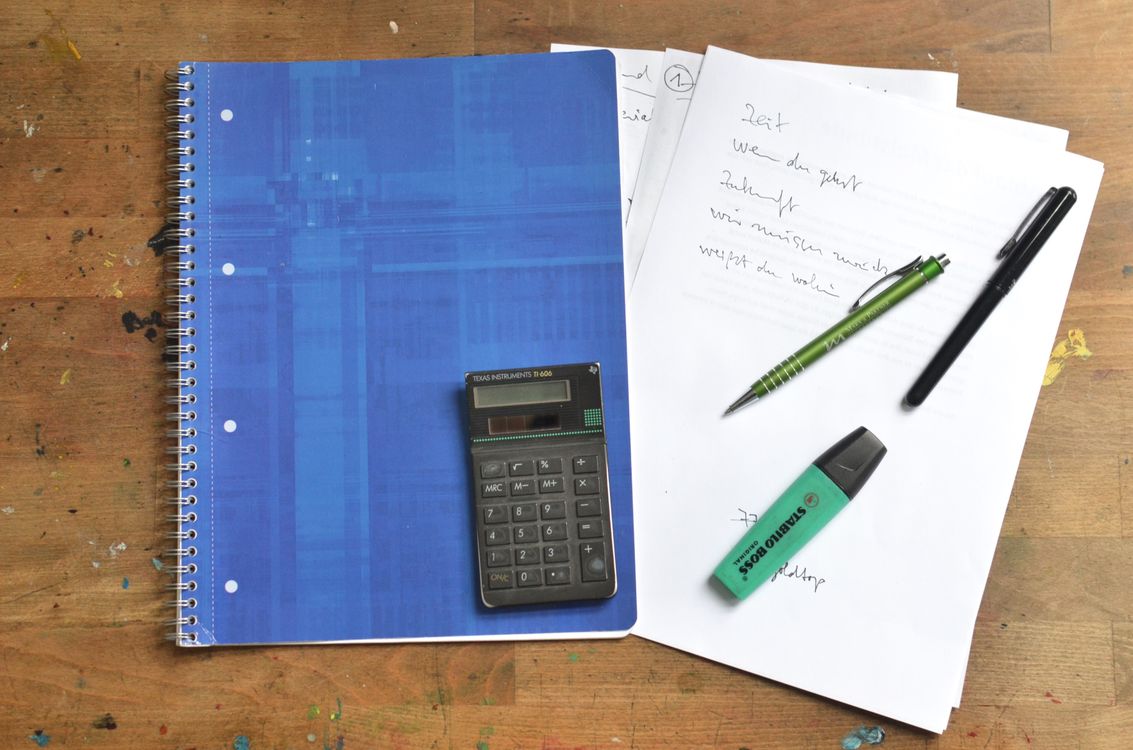
Quick verdict: A classic sewn composition notebook is the best value for school and everyday notes because it stays together well and is easy to stack. Premium paper makes more sense for journaling or heavier ink.
Composition notebooks are simple by design. The differences that matter most are binding durability, paper feel, ruling, and whether the notebook lies comfortably enough for longer writing sessions.
Top Picks
| Pick | Best for |
|---|---|
| Mead Composition Book | Best overall |
| Oxford Composition Notebook | Best everyday alternative |
| Five Star Composition Book | Best sturdier school option |
| Amazon Basics Composition Notebook | Best budget multipack |
| Decomposition Book | Best design-forward pick |
Who Should Buy — and Who Should Skip
Buy a classic composition book for classes, meetings, or general notes. Choose better paper for journaling or ink-heavy pens. Skip decorative premium versions if the notebook is likely to be tossed in a backpack every day.
1. Mead Composition Book — Best overall
A familiar sewn composition book remains a strong everyday choice for school, work, and general notes.
- Choose it if: You want dependable value and a standard format.
- Skip it if: You need removable pages.
2. Oxford Composition Notebook — Best everyday alternative
A basic composition notebook works well for projects, classes, and long-term reference notes.
- Choose it if: You want a traditional notebook with simple ruling.
- Skip it if: You want spiral flexibility.
3. Five Star Composition Book — Best sturdier school option
A more durable cover can be worth it for notebooks that live in backpacks and get handled constantly.
- Choose it if: Durability matters more than lowest cost.
- Skip it if: The notebook stays on a desk.
4. Amazon Basics Composition Notebook — Best budget multipack
Bulk composition books are practical for families, classrooms, or multiple subjects.
- Choose it if: You need several notebooks at once.
- Skip it if: You want premium paper.
5. Decomposition Book — Best design-forward pick
A more distinctive cover makes sense when the notebook doubles as a journal or personal project book.
- Choose it if: You care about design as much as basic function.
- Skip it if: You want the cheapest school notebook.
How to Choose
- Binding: Sewn bindings hold up well for long-term notes.
- Paper: Better paper matters more with gel, rollerball, or fountain pens.
- Ruling: Wide rule suits larger handwriting; college rule fits more per page.
- Cover: Harder-wearing covers help in backpacks.
- Use case: Class notes and journaling may benefit from different paper.
What Makes the Upgrade Worth It?
Pay more when stronger covers or better paper directly improve how you use the notebook. For ordinary class or office notes, a basic composition book is often the smarter buy.
If you prefer a more flexible format, compare our best dot grid notebooks and best notebooks for fountain pens.
Frequently Asked Questions
Are composition notebooks better than spiral notebooks?
They are better for durability and long-term storage; spirals are better when you want pages to fold back.
Are composition books good for journaling?
Yes, especially if the paper handles your preferred pen well.
What is the best ruling?
College rule fits more writing; wide rule gives larger handwriting more room.
Disclosure: As an Amazon Associate, Scribble-It may earn from qualifying purchases. Availability and bundles change; check the current listing before buying.
Final Verdict
A classic sewn composition notebook is the value winner for most users. Upgrade the paper or cover only when your writing style or daily wear makes it worthwhile.