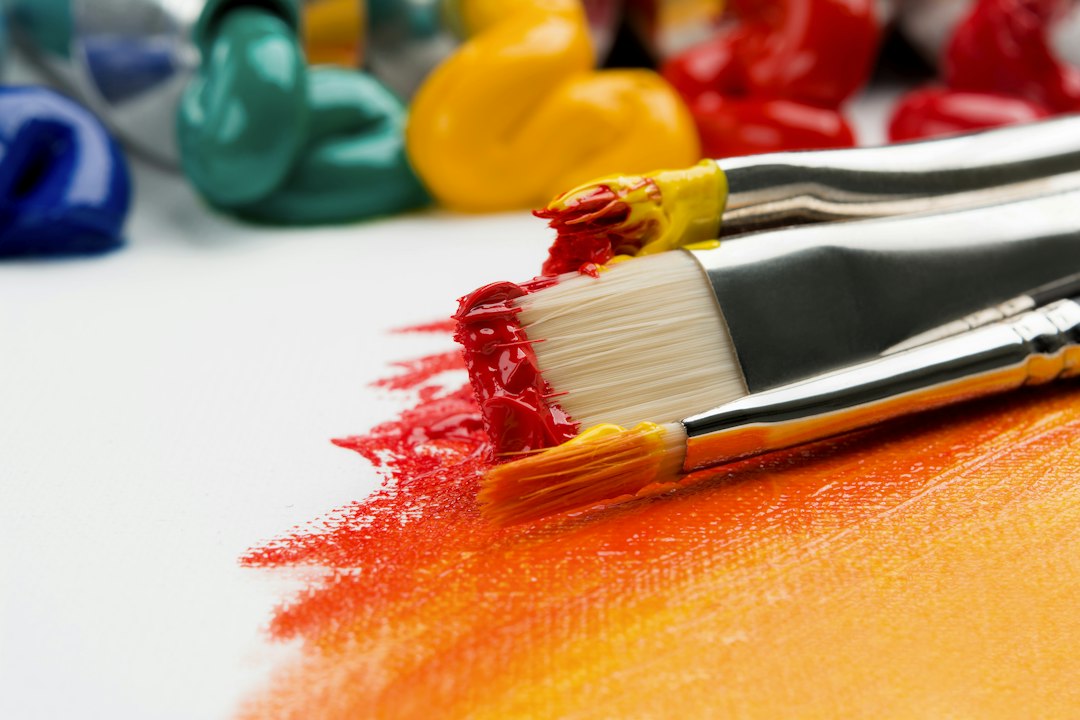
Quick verdict: A medium round is the flexible first brush for varied marks and small details; a flat is useful for broad washes and straight, squared strokes.
The key to a sensible purchase is matching the product to work you actually do. This comparison focuses on useful differences, limitations and when an upgrade is worth paying for.
At a Glance
| Option | Main consideration |
|---|---|
| round watercolour paintbrushes | Best when its specialised advantages fit your routine |
| flat watercolour paintbrushes | Better if the alternative workflow matters more |
round watercolour paintbrushes: Benefits and Trade-offs
A round brush with a reliable point can produce fine contours and also lay down broader strokes when more of its body touches the paper. Spring, tip recovery and water-carrying capacity differ by fibre and construction. Brush numbers are not standardized among makers; check real head dimensions.
Who should buy: People who routinely need these strengths. Who should skip: Those whose primary project favours the other approach.
flat watercolour paintbrushes: Benefits and Trade-offs
Flat brushes cover strips of paper efficiently, make straight-edged marks and help lay down consistent horizontal or vertical washes. Their corners can make narrower lines, but painting small curves is often less intuitive than with a sharp round. Very large flats can be wasteful on pocket sketchbooks.
Who should buy: Readers who need these features regularly. Who should skip: Those who would pay for capabilities they won’t use.
Common Mistakes and Compatibility
A high price or natural-fibre label doesn’t guarantee compatibility with your style. Some synthetic rounds retain excellent points; some stiff multi-media brushes handle watery pigments poorly.
Buying Checklist
Buy a medium round first, then a modest flat if you repeatedly paint skies, architectural edges or large backgrounds. Rinse gently, reshape the head and dry according to instructions.
Is the Upgrade Worth It?
For most beginners, two good brushes beat a large low-grade assortment. Upgrade when a worn or poorly shaped tip is limiting actual brush control.
FAQ
Do beginners need both?
Usually not. Start with the option that meets your most frequent need, then add a second tool only when a specific limitation appears.
Is expensive always better?
No. Exact material, paper or tool compatibility and ease of use can matter more than the price tag. Check the maker’s current specifications for individual products.
Related Reading
See our related buying guide for another useful comparison.
Final Verdict
A medium round is the flexible first brush for varied marks and small details; a flat is useful for broad washes and straight, squared strokes. A less expensive item that works well is a better buy than a premium extra you’ll rarely use.
Shop the Options — USA and Canada
Choose your country and preferred option.
Shop round watercolour paintbrushes — Amazon USA Shop round watercolour paintbrushes — Amazon Canada
Shop flat watercolour paintbrushes — Amazon USA Shop flat watercolour paintbrushes — Amazon Canada
Affiliate disclosure: Scribblet may earn a commission from qualifying Amazon USA or Canada purchases at no extra cost. This is researched guidance rather than a claim of firsthand testing.