Quick verdict: Perforated pages suit artists who frequently remove drawings; intact pages are better for chronological journals and bound portfolios.
The key to a sensible purchase is matching the product to work you actually do. This comparison focuses on useful differences, limitations and when an upgrade is worth paying for.
At a Glance
| Option | Main consideration |
|---|---|
| perforated sketchbooks | Best when its specialised advantages fit your routine |
| non-perforated sketchbooks | Better if the alternative workflow matters more |
perforated sketchbooks: Benefits and Trade-offs
Micro-perforation creates a tear line designed for removal without a knife. It saves trimming when you display, gift or scan individual drawings. The quality of the tear varies by paper thickness, hole spacing and margin design: inexpensive pads may leave a ragged edge, and a finished drawing can lose some usable width.
Who should buy: People who routinely need these strengths. Who should skip: Those whose primary project favours the other approach.
non-perforated sketchbooks: Benefits and Trade-offs
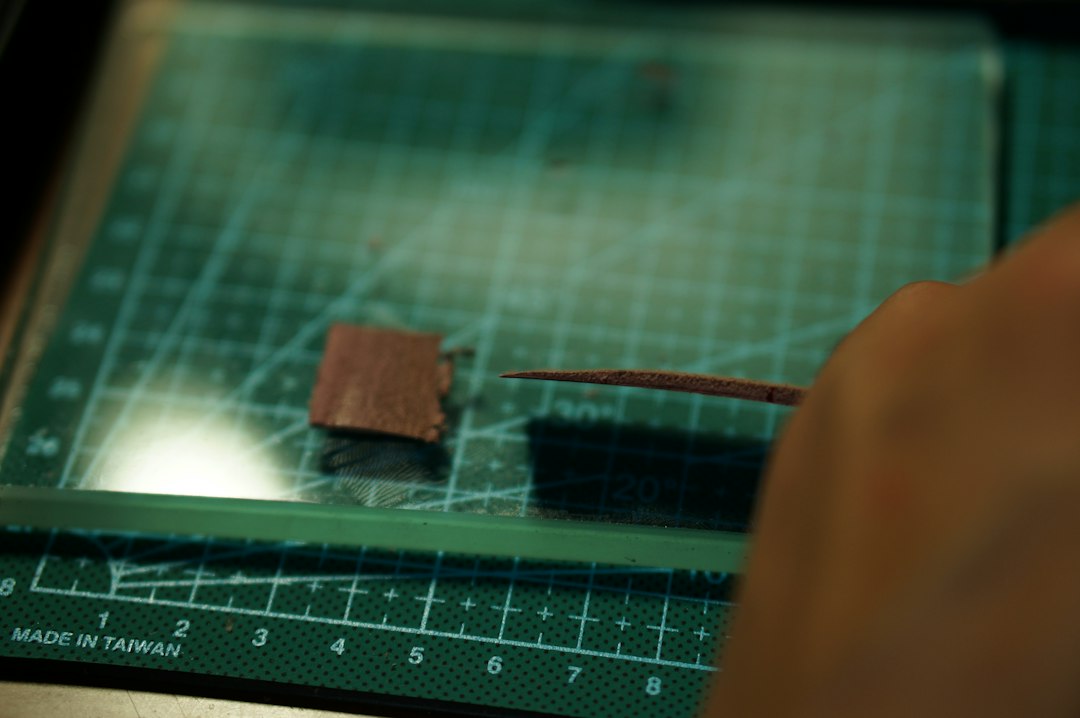
Unperforated pages keep the entire sheet attached and are ideal for sketchbook journals that track artistic progress over months. They avoid an accidental tear along the edge, but removing one finished sheet may require a craft knife and a sturdy cutting surface. Sewn bindings may make removal less convenient than wire-bound versions.
Who should buy: Readers who need these features regularly. Who should skip: Those who would pay for capabilities they won’t use.
Common Mistakes and Compatibility
Measure the actual usable page after the perforation, not just the cover size. If you work with watercolour, check paper sizing and weight separately; a tear-off feature does not mean the paper handles wet media.
Buying Checklist
When tearing out artwork, support the binding and separate the page slowly along the line. Keep fragile originals in suitable sleeves after removal instead of forcing them into a cramped binder.
Is the Upgrade Worth It?
Spend more for clean perforations only if you regularly remove work. When you mostly keep drawings together, better paper deserves the money first.
FAQ
Do beginners need both?
Usually not. Start with the option that meets your most frequent need, then add a second tool only when a specific limitation appears.
Is expensive always better?
No. Exact material, paper or tool compatibility and ease of use can matter more than the price tag. Check the maker’s current specifications for individual products.
Related Reading
See our related buying guide for another useful comparison.
Final Verdict
Perforated pages suit artists who frequently remove drawings; intact pages are better for chronological journals and bound portfolios. A less expensive item that works well is a better buy than a premium extra you’ll rarely use.
Shop the Options — USA and Canada
Choose your country and preferred option.
Shop perforated sketchbooks — Amazon USA Shop perforated sketchbooks — Amazon Canada
Shop non-perforated sketchbooks — Amazon USA Shop non-perforated sketchbooks — Amazon Canada
Affiliate disclosure: Scribblet may earn a commission from qualifying Amazon USA or Canada purchases at no extra cost. This is researched guidance rather than a claim of firsthand testing.