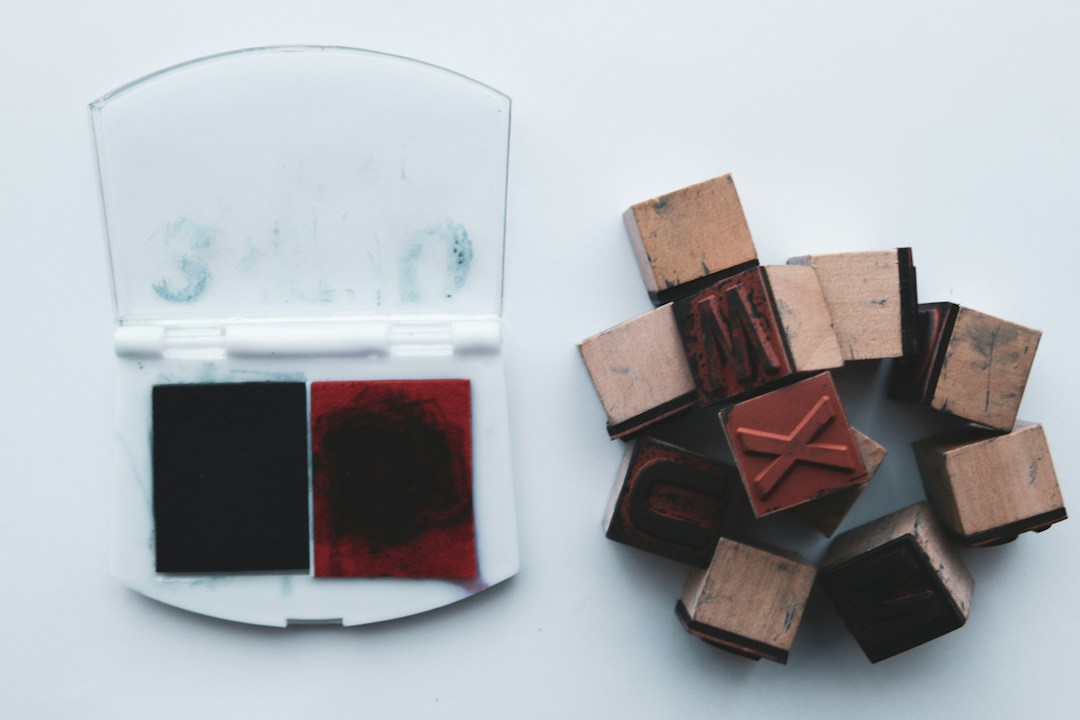
Quick verdict: For normal water-based stamping ink, start by cleaning promptly with water and a suitable soft cloth. For clear photopolymer stamps stained by tougher inks, a dedicated clear-stamp cleaner is the more targeted purchase. Ranger offers separate Clear Stamp, Water-Based and Archival Ink cleaners; the names describe different formulas, so match the cleaner to both your ink and stamp material.
Stamp cleaning is less about making a stamp look brand new and more about avoiding ink contamination and preserving crisp future impressions. Dark pigment staining does not automatically mean a stamp is unusable. Buying the wrong aggressive solvent, however, can be worse than a little harmless discoloration.
Compare the Options
| Option | Best use | Watch for |
|---|---|---|
| Water and gentle cloth | Fresh, readily water-soluble ink | May not remove resistant inks or stains |
| Clear stamp cleaner | Photopolymer and acrylic clear stamps | Follow manufacturer compatibility notes |
| Archival ink cleaner | Stubborn permanent/pigment/solvent ink residue | Use the appropriate formula, not a random solvent |
When a Clear-Stamp Cleaner Is Worth Buying
Ranger describes its 2 oz Clear Stamp Cleaner as an acid-free formula developed for clear acrylic and photopolymer stamps and also suitable for rubber stamps. It is designed to handle water-based and water-resistant ink while being gentle to the stamp material. That’s a stronger reason to buy than the vague promise of ‘deep cleaning.’ Check Ranger’s product description.
Who should buy: Crafters who use clear stamp sets frequently and want one compatible product for routine cleanup. Who can skip: Occasional users whose stamp maker recommends water and whose impressions clean up easily.
When Archival Ink Cleaner Makes More Sense
Ranger’s Archival Ink Cleaner is formulated for water-based, permanent, pigment and solvent-based inks, and Ranger identifies rubber and clear stamps as compatible. That breadth is useful if you routinely alternate inks while creating cards, tags and mixed-media projects. The brand sells it in a 2 oz dabber-top bottle, which may appeal to crafters who prefer targeted application. See the official details.
Who should buy: Frequent users of archival or stubborn inks. Who should skip: Those using only easy-to-clean water-based ink who have no residue problem to solve. Don’t pay for a specialized cleaner until there’s a practical need.
What About a Water-Based Stamp Cleaner?
Ranger separately offers a 4 oz water-based cleaner intended for ordinary dye and pigment ink staining on stamps and hands. It’s an alternative to consider if that is mainly what you use. Check the brand’s directions before substituting it for the dedicated clear-stamp cleaner, particularly when protecting delicate polymer. Read the specifications.
Cleaning Routine That Protects Your Supplies
- Identify whether the stamp is rubber, acrylic or photopolymer and check the stamp maker’s cleaning guidance.
- Blot away fresh excess ink immediately with a soft, lint-free cloth.
- Use plain water only when appropriate for that ink; for resistant residue use a cleaner specifically approved for the stamp.
- Don’t scrape the stamping surface or soak mounted stamps without explicit manufacturer permission.
- Let the stamp dry before returning it to its storage sheet, especially if you use clear photopolymer stamps.
What Not to Use
Ranger advises against harsh solvents for rubber cling stamps because they can degrade the material. Avoid household paint thinner, nail-polish remover and abrasive scrubbers unless a manufacturer specifically approves them for your exact stamp. No cosmetic stain is worth damaging a stamp’s detail. Ranger’s stamp care FAQ provides this caution.
Is the Upgrade Worth It?
If you stamp a handful of birthday cards annually, water plus a stamp-safe basic cleaner may be sufficient. If you stamp every week and switch among archival, pigment and dye inks, a compatible dedicated formula can save cleanup time. Compare price per volume, applicator design and availability rather than buying a large set on instinct.
FAQ
Does staining mean my clear stamp is ruined?
Not necessarily. Some inks stain polymer without affecting the impression. Test on scrap paper for unwanted colour transfer before using an important project.
Can I use alcohol wipes?
Don’t assume so. Solvents can affect polymers and adhesives. Follow the stamp and cleaner manufacturers’ instructions instead.
Should I buy both clear and archival cleaner?
Only if your inks and actual cleanup needs justify both. A compatible single cleaner may be enough.
Related Reading
See our pigment, dye and archival ink comparison and stamp block versus stamping platform guide.
Final Verdict
Buy for your actual ink and stamp material. Clear-stamp cleaner is the most straightforward specialized choice for regular clear-stamp work; archival cleaner is worth considering when stubborn inks are common. Start with the least complicated compatible method.
Disclosure: Scribblet may earn from qualifying Amazon US and Canadian purchases at no additional cost. This is research-based buying guidance, not a claim of firsthand testing.