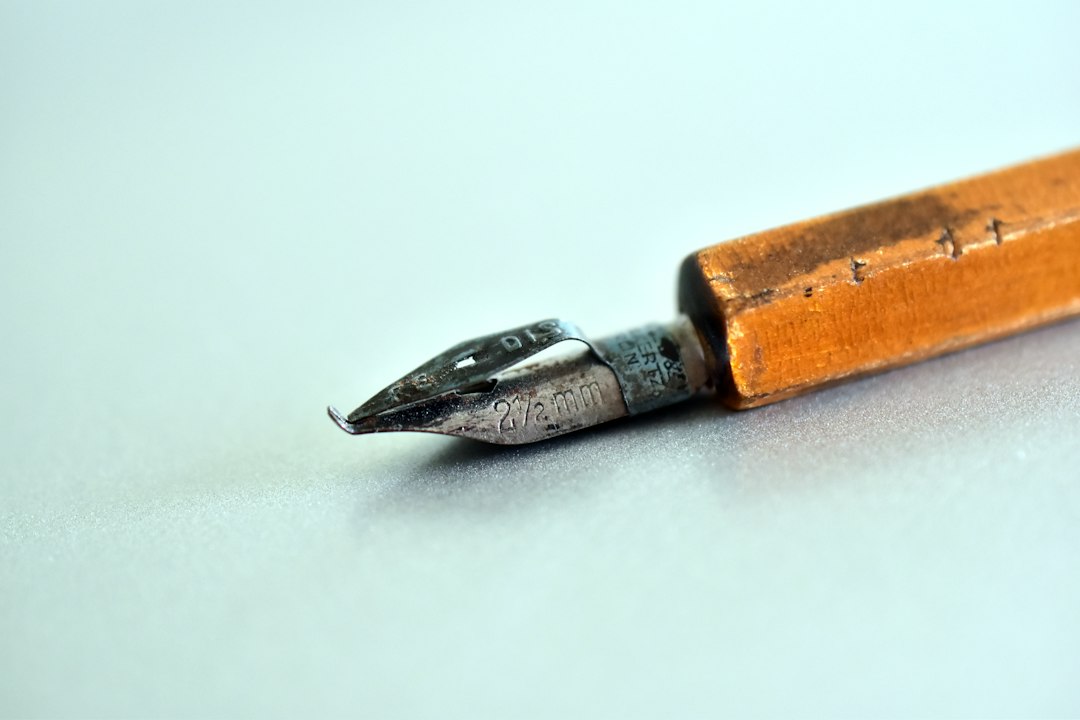
Illustrative photograph by Ries Bosch / Unsplash; not a cleaning-kit product photograph.
Quick verdict: Most owners of cartridge/converter fountain pens do not need an expensive specialty kit. A clean bulb syringe that fits the pen’s grip section, a cup of cool water and a lint-free cloth handle typical ink changes. A purpose-made pen flush and blunt-tip ink syringe are worthwhile upgrades for stubborn residue or frequent colour changes. Follow the pen maker’s instructions first; some designs must not be soaked or disassembled.
This guide compares cleaning tools by use case, not by unsupported “tested” rankings. It prioritizes manufacturer guidance and clearly distinguishes optional accessories from necessities.
Quick Comparison: What Is Worth Buying?
| Tool | Best for | Main caution |
|---|---|---|
| Clean water and lint-free cloth | Routine flushes; first thing to try | Let parts dry before reassembly |
| Rubber bulb syringe | Flushing removable cartridge/converter grip sections | Nozzle must fit gently, not be forced |
| Blunt-tip ink syringe | Rinsing empty cartridges and converters | Avoid sharp needles and excessive pressure |
| Commercial fountain-pen flush | Stubborn residue when water fails | Check compatibility with pen and materials |
| Preassembled cleaning set | Convenience for a multi-pen collection | May cost more than the tools you use |
1. Water and a Soft Cloth — Best Budget Starting Point
Before buying anything, check the maker’s cleaning directions. LAMY’s fountain-pen guidance describes flushing with water and, for suitable removable front sections, soaking in plain water. It specifically advises against adding soap or detergent. Repeatedly filling and emptying a converter with fresh cool or room-temperature water can clear ordinary dye-based ink. Use a lint-free cloth to catch drips and let cleaned parts dry.
Buy: Nothing extra if you have a washable, modern pen that responds to basic flushing. Skip: Aggressive solvents, hot water and attempts to pry apart a feed without manufacturer instructions. Pens with complex retractable mechanisms and older materials need additional care; Pilot’s maintenance guidance cautions against disassembling nib/feed units and soaking certain internal mechanisms.
2. Bulb Syringe — Best Inexpensive Upgrade
A soft rubber bulb can speed up rinsing on a compatible, removable cartridge/converter section. It sends water through the feed instead of repeatedly operating the converter. The nozzle must fit naturally over the opening; forcing an oversized bulb can damage the connection. Keep the pressure gentle, and never assume the same method is suitable for piston fillers or sealed retractable pens.
Who should buy: People who switch standard inks frequently and whose pens allow grip-section flushing. Who should skip: Someone with a single pen that rinses clean using its converter, or with a pen whose manufacturer forbids this approach.
Check USA options on Amazon | Check Canada options on Amazon
3. Blunt-Tip Ink Syringe — Best for Converters and Empty Cartridges
A small reusable syringe with a blunt tip makes it easier to rinse ink from an empty cartridge or reach the bottom of an ink vial. It is not a licence to push a metal tip into a delicate nib or feed channel. Clean the syringe between inks, avoid contamination of bottled ink, and store it safely away from children. Choose a size you can control without excess force.
Who should buy: Owners who refill compatible cartridges or work with sample vials. Who should skip: Owners who only use sealed replacement cartridges and never change colours. The syringe is an accessory, not a substitute for following the pen’s own cleaning process.
Check USA options on Amazon | Check Canada options on Amazon
4. Fountain-Pen Flush — Best for Stubborn Ink Residue
A purpose-made cleaner can be useful when several cycles of water still leave residue. The Goulet Pen Company’s cleaning-set explanation describes a kit containing pen flush, a bulb syringe, ink syringes and a vial. Check that the formulation is suitable for your specific pen and follow its instructions and rinse requirements. Do not mix homemade chemicals or improvise with household cleaners, alcohol, ammonia or vinegar just because a forum recommends them.
Who should buy: A collector dealing with ink changes or stubborn residue after trying approved water cleaning. Who should skip: Someone whose pen flushes clean with water. For fragile vintage pens, seek brand-specific or professional guidance rather than experimenting with solvents.
Check USA options on Amazon | Check Canada options on Amazon
5. Complete Cleaning Kit — Best for Convenience
A premade bundle is useful when you want a bulb syringe, ink syringe, cleaning solution and a small rinsing container together. Compare the actual contents and sizes: two kits with the same name may differ, and “universal” does not mean compatible with every filling system. Goulet’s described set is one example; the best purchase depends more on the pen than on the number of items in the box.
Who should buy: People maintaining several modern pens and changing inks often. Who should skip: Anyone who already has a bulb syringe and suitable cloth or who rarely changes ink. Buying the pieces separately may be better value.
Check USA options on Amazon | Check Canada options on Amazon
How to Choose Based on Your Pen
Cartridge/converter pens
Start with manufacturer-approved water flushing. The removable converter can be rinsed separately. A bulb syringe is optional when it fits the section correctly.
Piston and vacuum fillers
These retain ink inside the barrel. Use the maker’s own filling mechanism and cleaning procedure rather than forcing a generic bulb into an opening. Consult the manual before trying to remove any internal part.
Vintage, demonstrator and retractable pens
Older sacs, coatings, seals, transparent components and complicated mechanisms may require different procedures. Avoid long soaks or chemicals unless specifically approved for that model. Professional servicing is the safer choice if the pen is valuable or stuck.
Is a Premium Kit Worth It?
Only if it removes a recurring hassle. A well-matched bulb syringe may save time for someone who changes ink every week, while an occasional writer probably gains little from buying several specialised tools. Do not pay extra for brass shims, ultrasonic devices or dismantling tools unless you understand their risks and have an actual need. Cleaning is not the same as nib tuning or repair.
Common Mistakes to Avoid
- Forcing a syringe nozzle onto the section or pushing water through at high pressure.
- Using hot water, detergent or household chemical mixtures without maker approval.
- Assuming every pen can safely be soaked or disassembled.
- Buying chemicals before trying the approved plain-water method.
- Refilling while trapped water remains and unintentionally diluting ink.
- Confusing a cleaning tool with a way to fix a damaged nib or feed.
Frequently Asked Questions
Do I need to clean a fountain pen every week?
Not necessarily. Frequency depends on ink type, usage, the model and how often you switch colours. Follow the maker’s guidance and pay attention to signs of drying or inconsistent flow.
Can I use tap water?
Many modern manufacturers recommend ordinary water for routine flushing; if your supply is very hard or the pen maker specifies otherwise, follow its recommendation. The goal is to avoid leaving residue behind.
Should I buy an ultrasonic cleaner?
Not as a first purchase. Some materials and assemblies can be harmed, and disassembly introduces further risk. Use only with explicit model-appropriate guidance or a qualified repair professional.
Related Reading
For ink choices and everyday pen care, see our fountain pen ink guide and our guide to fountain pen converters.
Affiliate disclosure: Scribblet may earn a commission from qualifying purchases through these Amazon links, at no additional cost to you. Links are country-specific search pages; prices and availability can change. This is a research-based comparison, not a claim of personal testing.
Final Verdict
Best overall value: plain water and a lint-free cloth, with a compatible bulb syringe if you clean cartridge/converter pens frequently. Best specialist upgrade: a manufacturer-compatible pen flush for persistent residue. Best skip: a large kit full of tools you will not use. Protect the pen first; buy accessories second.