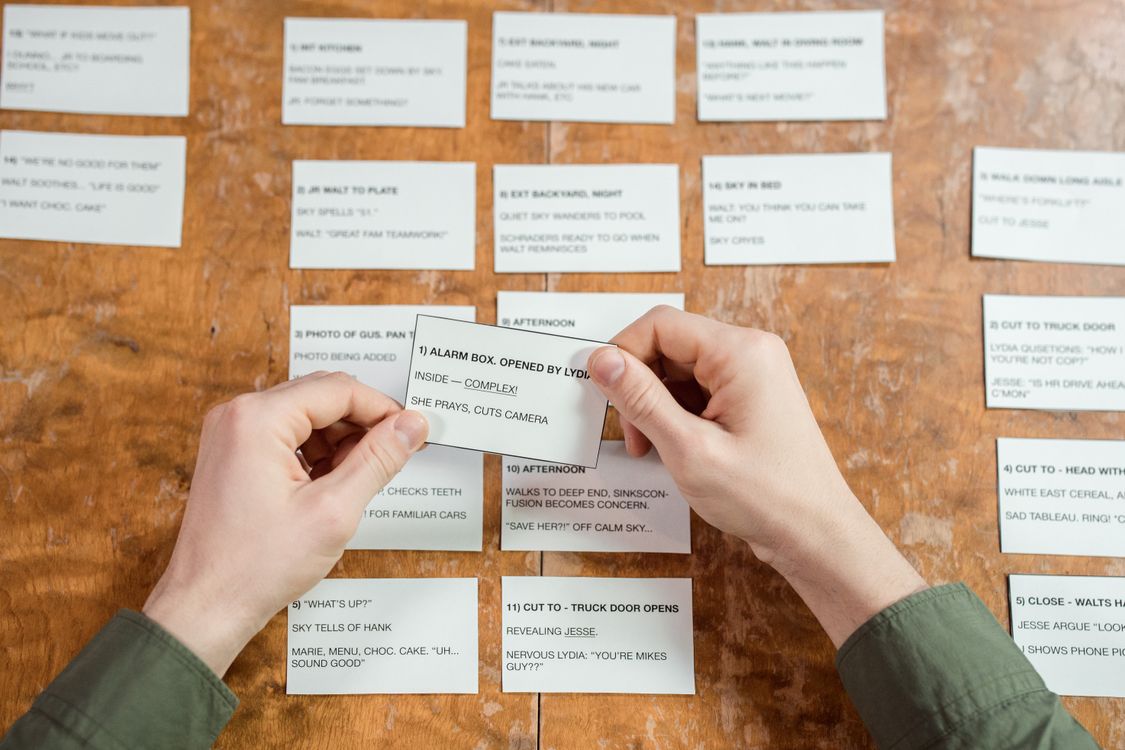
Quick verdict: Oxford ruled 3 x 5 index cards are the best all-around choice for study notes, flash cards and compact planning because they are inexpensive, easy to organize and available almost everywhere. Choose blank cards for diagrams, larger 4 x 6 cards for more detail, or reusable cards if you want to cut down on paper waste.
Index cards are still useful because they force information into small, movable chunks. For studying, that makes them better suited to active recall than simply rereading a page of notes. For planning, they can become movable tasks, speaking points, recipes or project steps.
The Best Index Cards at a Glance
| Pick | Best for | Why it stands out |
|---|---|---|
| Oxford Ruled 3 x 5 Cards | Best overall | Simple, portable and easy to sort for flash cards or notes. |
| Oxford Blank Index Cards | Best for diagrams | No ruling gets in the way of sketches, formulas or visual memory cues. |
| Oxford Ruled 4 x 6 Cards | Best for detailed notes | More writing room without turning into a full sheet of paper. |
| Amazon Basics Ruled Index Cards | Best bulk value | A straightforward option when quantity matters more than premium paper. |
| Rocketbook Cloud Cards | Best reusable option | Designed for repeated use and digital capture rather than one-and-done paper cards. |
Who Should Use Index Cards?
Students, presenters, writers and anyone who likes physically rearranging information can benefit from index cards. They are especially useful when the order of ideas changes, because you can move a card instead of rewriting an entire page.
Skip them if you need long-form notes or permanent archival storage. A notebook is easier to keep intact and harder to misplace.
Who This Guide Is For
This guide is for people comparing practical options for index cards for studying, notes, and planning and trying to match the product to a real use case instead of simply buying the most expensive option. Focus on the feature that solves your actual problem, then skip upgrades that add cost without improving how you will use the product.
1. Oxford Ruled 3 x 5 Index Cards — Best Overall
The classic ruled 3 x 5 card earns the top spot because it is small enough to carry and large enough for one question, concept or task. That single-idea limit is useful for retrieval practice: put a question or cue on one side and the answer on the other.
- Choose them if: You want affordable flash cards or portable notes.
- Skip them if: You need room for diagrams or long explanations.
2. Oxford Blank Index Cards — Best for Diagrams
Blank cards are better for chemistry structures, quick maps, sketches, timelines and any subject where lines restrict how you organize information. They also work well as mini storyboards or photography shot cards.
- Choose them if: Visual thinking matters more than neat ruled notes.
- Skip them if: You want help keeping handwriting aligned.
3. Oxford Ruled 4 x 6 Index Cards — Best for Detailed Notes
A 4 x 6 card gives you noticeably more space while keeping the advantages of a movable card system. It is a better size for speaking notes, recipes, definitions with examples or study questions that need a few supporting points.
- Choose them if: Standard 3 x 5 cards feel cramped.
- Skip them if: Pocket portability is your priority.
4. Amazon Basics Ruled Index Cards — Best Bulk Value
Bulk cards make sense for classrooms, exam preparation or projects where you will go through hundreds of cards. The tradeoff is that bargain cards are less about tactile paper quality and more about cost per usable card.
- Choose them if: You need a lot of cards and expect to use them quickly.
- Skip them if: You care about premium paper feel or heavier stock.
5. Rocketbook Cloud Cards — Best Reusable Option
Reusable cards appeal to people who repeat the same study cycle and dislike throwing away stacks of paper. They cost more upfront, so the upgrade makes more sense for frequent use than for one short course or one presentation.
- Choose them if: You study repeatedly and want reusable cards with a digital workflow.
- Skip them if: You want the cheapest possible stack for a one-time project.
How to Study Better With Index Cards
Do not just reread the card. Look at the question, cover the answer and retrieve it from memory first. Mix the order so location does not become a clue, and revisit difficult cards over several days rather than cramming the same stack in one sitting.
More Tools for Paper-Based Study
For highlighting and annotation, see our guide to the best highlighters for studying and note organization. For portable writing, compare the best pocket notebooks for everyday carry.
Frequently Asked Questions
Are index cards good for memorization?
They can be very effective when you use them for active recall rather than passive rereading. The card is only the tool; the memory benefit comes from trying to produce the answer before checking it.
Are 3 x 5 or 4 x 6 cards better?
Use 3 x 5 for short prompts and portability. Use 4 x 6 when an answer needs examples, steps or a small diagram.
Should I use lined or blank cards?
Lined cards suit definitions and written prompts. Blank cards are more flexible for visual material, formulas and sketches.
Disclosure: As an Amazon Associate, Scribble-It may earn from qualifying purchases. Prices and availability change; check the current listing before buying.
Final Verdict
Oxford ruled 3 x 5 cards are the best starting point for most people. Blank cards are better for visual learning, 4 x 6 cards suit more detailed material, bulk cards reduce cost for high-volume use, and reusable cards are worth the upgrade for people who cycle through flash cards constantly.